Feeling Powerless about Climate Chaos? Discover Hopeful Solutions
In recent years, the term
powerless about climate chaos
has become a common sentiment among individuals and communities worldwide. As the impacts of climate change become increasingly visible, many people feel overwhelmed by the magnitude and complexity of the crisis. Extreme weather events, rising sea levels, and biodiversity loss contribute to a growing sense of helplessness. However, amid this chaos, there are numerous initiatives and solutions that offer hope and empowerment for those who feel powerless.
Global Efforts to Combat Climate Change
Around the world, governments, organizations, and individuals are taking action to address the climate crisis. International agreements like the Paris Agreement have established frameworks for reducing greenhouse gas emissions and promoting sustainable development. Countries are setting ambitious targets for carbon neutrality and investing in renewable energy sources such as wind, solar, and hydroelectric power. These efforts demonstrate a collective commitment to mitigating climate change and transitioning to a more sustainable future.
Local Initiatives Making a Difference
While global efforts are crucial, local initiatives also play a significant role in combating climate change. Cities and towns are implementing policies to reduce carbon footprints and promote environmental sustainability. From urban tree planting programs to community-led recycling initiatives, these grassroots efforts empower individuals to take action in their own communities. Local governments are also investing in public transportation systems and creating pedestrian-friendly infrastructure to reduce reliance on fossil fuels.
Innovation and Technology as Catalysts for Change
Technological advancements are providing new tools and opportunities to address climate change. Innovations in clean energy technologies, such as solar panels and electric vehicles, are making sustainable solutions more accessible and affordable. Startups and research institutions are developing carbon capture and storage technologies to remove carbon dioxide from the atmosphere. These innovations are not only reducing emissions but also creating new industries and job opportunities in the green economy.
Feeling Powerless about Climate Chaos: Community Resilience
The feeling of being powerless about climate chaos is not unique to individuals. Communities worldwide are grappling with the realities of a changing climate and are finding ways to build resilience. Resilient communities are those that can adapt to climate-related challenges and bounce back from disruptions. By investing in infrastructure, education, and social networks, communities are strengthening their ability to withstand the impacts of climate change.
Education and Awareness as Empowerment Tools
Education is a powerful tool for empowering individuals and communities to take action against climate change. By raising awareness about the causes and consequences of climate change, educational programs can inspire people to make informed decisions and adopt sustainable practices. Schools and universities are incorporating climate education into their curricula, and NGOs are providing resources for community workshops and training sessions. These efforts are fostering a generation of informed and engaged citizens who are equipped to tackle the climate crisis.
The Role of Indigenous Knowledge and Practices
Indigenous communities have long been stewards of the environment, drawing on traditional knowledge and practices to manage natural resources sustainably. These communities offer valuable insights and solutions for adapting to climate change. By integrating indigenous knowledge with modern science, societies can develop holistic approaches to environmental stewardship. Collaborative partnerships between indigenous communities and governments can lead to innovative solutions that respect cultural heritage while addressing contemporary challenges.
Powerless about Climate Chaos: Individual Actions that Matter
Despite the seemingly insurmountable scale of the climate crisis, individual actions can collectively make a significant impact. Personal choices in consumption, energy use, and lifestyle can contribute to reducing carbon emissions. Simple actions such as reducing meat consumption, using energy-efficient appliances, and supporting sustainable brands can make a difference. Individuals can also advocate for policy changes by participating in local government meetings, joining environmental organizations, and voting for leaders who prioritize climate action.
The Power of Collective Action
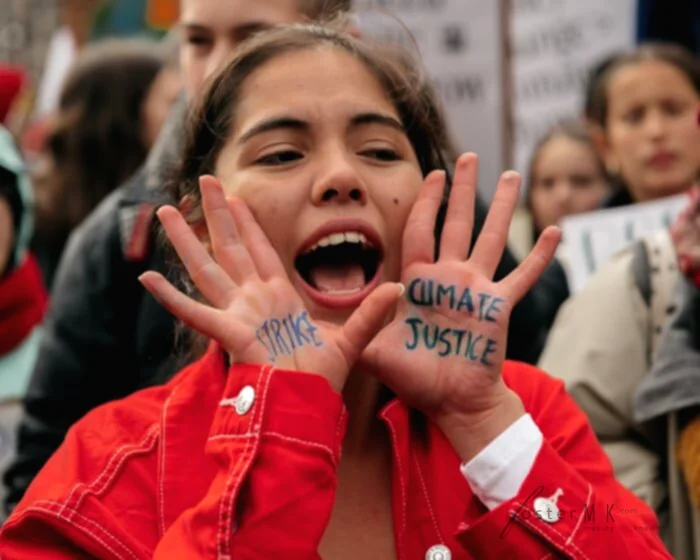
While individual actions are important, collective efforts amplify the impact of climate solutions. Grassroots movements and environmental campaigns have demonstrated the power of collective action in influencing policy and driving change. The youth-led climate strikes and global climate marches have mobilized millions of people worldwide, raising awareness and demanding urgent action from decision-makers. These movements emphasize the importance of solidarity and collaboration in addressing the climate crisis.
Sustainable Practices in Everyday Life
Incorporating sustainable practices into everyday life is a tangible way for individuals to contribute to climate solutions. This includes reducing waste by practicing recycling and composting, conserving water, and using public transportation or carpooling. Supporting local and sustainable agriculture by buying from farmers’ markets and participating in community-supported agriculture programs can also reduce the carbon footprint. By making conscious choices, individuals can align their values with actions that promote environmental sustainability.
Empowering the Next Generation
The next generation will inherit the challenges of climate change, but they also possess the power to drive solutions. Youth engagement and leadership are critical for sustaining momentum in the fight against climate change. By providing platforms for young people to voice their concerns and ideas, society can harness their creativity and passion for innovation. Educational programs and mentorship opportunities can equip young leaders with the skills and knowledge needed to navigate the complexities of climate change and advocate for meaningful change.
Fostering Innovation and Creativity
The urgency of the climate crisis calls for innovative and creative solutions. Encouraging interdisciplinary collaboration between scientists, artists, engineers, and policymakers can lead to groundbreaking approaches to climate challenges. Hackathons, innovation labs, and design thinking workshops are some of the ways to foster creativity and experimentation. By thinking outside the box, societies can develop solutions that address the root causes of climate change and create a sustainable future for all.
Building a Sustainable Future
Building a sustainable future requires a collective commitment to change. It involves rethinking traditional models of development and embracing new paradigms that prioritize environmental health and social equity. Policymakers, businesses, and individuals all have a role to play in creating systems and structures that support sustainability. By addressing the interconnectedness of environmental, social, and economic issues, society can create a more resilient and equitable world for future generations.
As the world grapples with the impacts of climate change, feelings of powerlessness are understandable. However, by highlighting the numerous solutions and initiatives available, individuals and communities can find hope and empowerment in the face of climate chaos. Through global cooperation, local action, and individual commitment, humanity can rise to the challenge and forge a path toward a sustainable future.