Heatwaves in Australia Demand Urgent Action for Future Safety
Across the vast landscapes of Australia, a growing challenge is making its presence known. Heatwaves in Australia are becoming more frequent and intense, raising alarms about their impact on the environment, public health, and the economy. With temperatures soaring to unprecedented levels, experts are urging for immediate action to mitigate the adverse effects and to prepare for a hotter future.
Rising Temperatures and Their Impact
Australia is no stranger to high temperatures, but recent years have seen a significant rise in the frequency and intensity of heatwaves. The Bureau of Meteorology has reported that the country is experiencing its hottest years on record, with heatwaves occurring at an alarming rate. These extreme weather events are not only affecting urban areas but are also taking a toll on rural communities and ecosystems that are less equipped to handle such conditions.
The impact of these rising temperatures is multifaceted. Public health experts are particularly concerned about the increased risk of heat-related illnesses. The elderly, children, and those with pre-existing health conditions are especially vulnerable during heatwaves. Hospitals and emergency services are often overwhelmed during these periods, struggling to cope with the influx of patients suffering from heat exhaustion and dehydration.
In addition to health concerns, the economic impact of heatwaves cannot be overlooked. Agriculture, a vital sector in Australia’s economy, is severely affected as crops wither under the intense heat, and livestock suffer from heat stress. This not only leads to financial losses for farmers but also threatens food security across the nation.
Heatwaves in Australia: A Looming Environmental Crisis
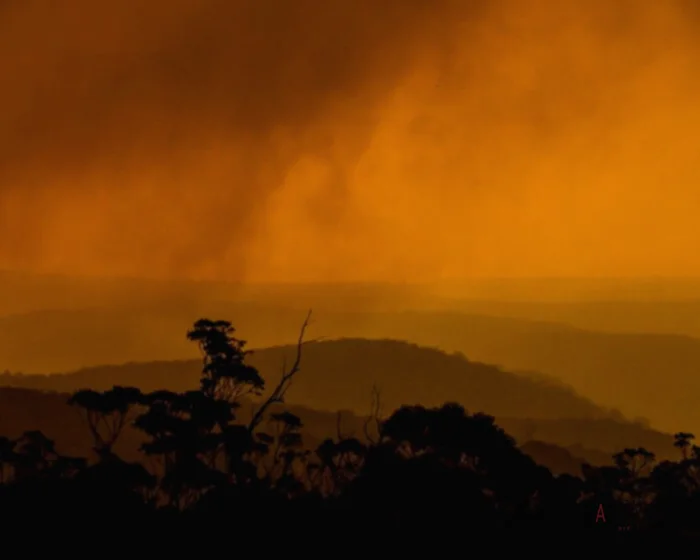
The environmental consequences of heatwaves in Australia are profound and far-reaching. Prolonged periods of extreme heat contribute to the exacerbation of drought conditions, increasing the risk of bushfires. The 2019-2020 bushfire season, known as the
Black Summer,
highlighted the devastating effects of such fires, which were fueled by dry conditions and record-breaking temperatures.
Heatwaves also threaten Australia’s unique biodiversity. Many native species, already stressed by habitat loss and climate change, struggle to survive as their environments become inhospitable. Ecosystems such as the Great Barrier Reef are particularly vulnerable, with rising sea temperatures leading to coral bleaching and long-term damage to marine life.
Urban areas are not spared from the environmental impacts either. The urban heat island effect, where cities become significantly warmer than their rural surroundings, exacerbates the intensity of heatwaves. This phenomenon is due to the concentration of buildings, roads, and other infrastructure that absorb and retain heat, making life in the city even more challenging during extreme weather events.
Government and Community Responses
In response to the increasing threat of heatwaves, both government agencies and communities across Australia are taking steps to address the issue. The federal government has initiated projects aimed at improving climate resilience, focusing on renewable energy sources and sustainable practices to reduce greenhouse gas emissions. However, critics argue that these measures are not enough and call for more aggressive action to combat the root causes of climate change.
Local governments and communities are also implementing strategies to mitigate the effects of heatwaves. Initiatives such as planting trees, creating green spaces, and promoting energy-efficient building designs are being adopted to reduce urban temperatures and enhance the quality of life for residents. Public awareness campaigns are also being conducted to educate citizens on how to protect themselves during extreme heat events.
Community-led projects are playing a crucial role in these efforts. Grassroots organizations are advocating for sustainable practices and engaging in discussions about climate change adaptation. These groups are often at the forefront of efforts to build community resilience, providing support to vulnerable populations and fostering a sense of solidarity in the face of a changing climate.
Heatwaves in Australia: Scientific Insights and Future Projections
Scientific research is essential in understanding the dynamics of heatwaves in Australia and predicting future trends. Climate scientists are using advanced modeling techniques to assess how heatwaves will evolve in the coming decades. These models indicate that without significant intervention, Australia will continue to experience more frequent and severe heatwaves, posing a serious threat to both the environment and society.
The scientific community is advocating for increased investment in research and data collection to improve the accuracy of climate models. Accurate predictions are vital for developing effective adaptation strategies and for informing policy decisions. Collaborative efforts between scientists, policymakers, and stakeholders are essential to ensure that Australia is prepared for the challenges ahead.
The Role of Renewable Energy in Mitigating Heatwave Effects
Renewable energy is emerging as a key component in the fight against the impacts of heatwaves in Australia. As the country seeks to reduce its reliance on fossil fuels, solar and wind energy are gaining traction as viable alternatives. The adoption of these technologies not only helps to decrease greenhouse gas emissions but also provides a more sustainable way to meet energy demands during periods of extreme heat.
Solar panels and wind turbines are being installed across the country, both on a large scale and in individual homes. These renewable sources offer a reliable energy supply, reducing the strain on power grids during heatwaves when electricity usage typically spikes. Moreover, advancements in energy storage technologies are enhancing the efficiency and reliability of renewable energy systems, making them a more attractive option for addressing the challenges posed by climate change.
Heatwaves in Australia: A Call to Action
The increasing prevalence of heatwaves in Australia serves as a stark reminder of the urgent need for action. As temperatures continue to rise, the consequences for public health, the environment, and the economy are becoming more severe. The time for complacency has passed, and a concerted effort is required from all sectors of society to address this pressing challenge.
Collaboration between government, industry, and communities is vital to develop and implement effective solutions. By investing in sustainable practices, enhancing climate resilience, and promoting public awareness, Australia can safeguard its future and protect its citizens from the dangers of extreme heat. The road ahead may be challenging, but with determination and collective action, Australia can rise to meet the threats posed by an ever-warming climate.