
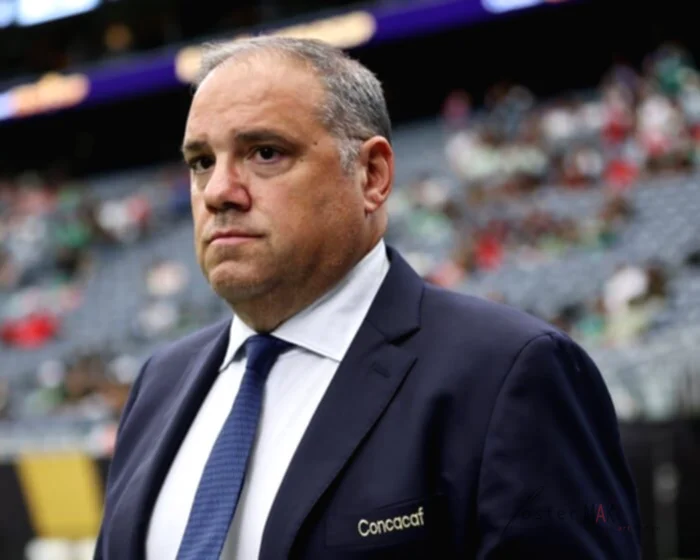
Concacaf President $3M Salary for Just 5 Hours a Week Shocking Re
In a revelation that has left many in the world of football astounded, the Concacaf president’s $3m salary has come under scrutiny for being exceedingly high considering the limited number of hours reportedly worked each week. This development has sparked widespread debate and raised questions about the financial management and priorities within the Confederation of North, Central America, and Caribbean Association Football (Concacaf).
The Breakdown of the Concacaf President’s $3M Salary
The news that the Concacaf president earns an annual salary of $3 million for working an estimated five hours a week has sent shockwaves through the football community. This remuneration package, which is significantly higher than that of many other sports administrators globally, has been met with criticism from various quarters. The Concacaf president’s compensation is particularly striking when compared to similar roles in other sports organizations where the workload and responsibilities are significantly more demanding.
Comparing Salaries Across Sports Organizations
To put the Concacaf president’s $3m salary in perspective, it is essential to compare it to what leaders in similar sports organizations earn. While the exact figures for other football confederation presidents are not always publicly disclosed, it is widely known that the salaries of presidents of major sports bodies tend to reflect the size and influence of the organization. For instance, FIFA President Gianni Infantino reportedly earns around $1.5 million annually, despite overseeing an organization with a global reach and significantly more responsibilities.
In comparison, the Concacaf region, though important, does not carry the same weight as FIFA in terms of global impact. Furthermore, the workload for the president of Concacaf is considerably less intensive, which has led to questions about the justification for such a high salary.
How Does the Salary Affect Concacaf’s Financial Health?
The financial health of Concacaf is another aspect that has come under scrutiny following the revelation of the president’s salary. The organization, which relies heavily on revenues from tournaments such as the Gold Cup and World Cup qualifiers, must allocate its resources carefully to maintain operations and promote football in its member nations. Critics argue that the $3 million salary could be better used to support development programs, infrastructure improvements, and grassroots initiatives that are crucial for the growth of football in the region.
The allocation of such a significant portion of the budget to the president’s salary has raised concerns among member associations, many of which struggle with limited funding and resources. This has led to calls for greater transparency and accountability in financial decision-making within the organization.
Concacaf President $3M Salary: A Controversial Topic
The revelation of the Concacaf president’s $3m salary has sparked intense debate not only within the football community but also among fans and stakeholders who are invested in the growth and development of the sport. Many have questioned the priorities of the organization and whether the compensation package aligns with its mission and goals.
Reaction from Member Associations and Stakeholders
Member associations and stakeholders have expressed a range of reactions to the news of the Concacaf president’s salary. Some have voiced concerns about the potential impact on their own financial situations, given that many national football associations within the region operate on limited budgets and rely on support from Concacaf for various programs and initiatives.
Others have called for a review of the compensation structure for the president and other top executives within the organization. They argue that a more equitable distribution of funds could lead to increased investment in critical areas such as youth development, women’s football, and infrastructure projects that would benefit the entire region.
The Public’s Response and Media Coverage
The media has played a significant role in bringing attention to the Concacaf president’s $3m salary, with various outlets covering the story extensively. Public response has been mixed, with some expressing outrage over the perceived misuse of funds, while others have defended the president’s compensation by highlighting the achievements and progress made under his leadership.
Social media platforms have also been abuzz with discussions and debates about the salary, with fans and followers of the sport sharing their opinions and concerns. The widespread coverage and public discourse have added pressure on Concacaf to address the issue and provide clarity on its financial practices.
Calls for Transparency and Accountability
In light of the controversy surrounding the Concacaf president’s $3m salary, there have been increasing calls for transparency and accountability within the organization. Stakeholders and fans alike are demanding greater insight into how financial decisions are made and how resources are allocated across various programs and initiatives.
Potential Reforms and Future Implications
The pressure for change has led to discussions about potential reforms within Concacaf, including revisiting the compensation structure for top executives and implementing measures to ensure greater financial accountability. Some have suggested the establishment of an independent committee to review executive salaries and oversee financial management practices within the organization.
The outcome of these deliberations could have significant implications for the future of Concacaf and its member associations. A more transparent and equitable approach to financial management could help restore trust among stakeholders and ensure that resources are used effectively to support the growth and development of football in the region.
What This Means for the Future of Football in the Region
The controversy surrounding the Concacaf president’s $3m salary has highlighted the need for a reassessment of priorities and financial practices within the organization. As Concacaf grapples with these challenges, the focus must remain on fostering the development of football across North, Central America, and the Caribbean.
By addressing concerns about financial management and ensuring that resources are allocated effectively, Concacaf can continue to play a pivotal role in promoting and supporting the sport at all levels. As the organization moves forward, it is crucial to maintain transparency and accountability to build trust and confidence among stakeholders and fans alike.