
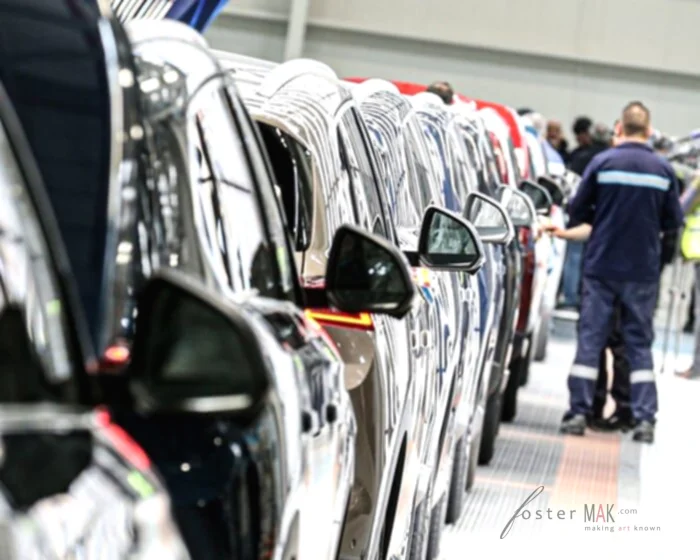
Turkey Catches Up with EU in Electric Car Sales Surge
In a significant development that marks a shift in the automotive landscape, Turkey catches up with EU in terms of electric car sales, showcasing its commitment to sustainable transportation. This surge in electric vehicle (EV) adoption is not only a reflection of changing consumer preferences but also a testament to Turkey’s efforts to align its automotive industry with global trends. As the country accelerates its transition towards greener energy solutions, it is closing the gap with its European counterparts, setting a new precedent in the region.
A Transformative Shift in Turkey’s Automotive Sector
Turkey’s automotive sector has long been an integral part of its economy, contributing significantly to its GDP and employment. Historically dominated by internal combustion engine vehicles, the market is now witnessing a transformative shift towards electric cars. This transition is being driven by a combination of government incentives, increased awareness of environmental issues, and advancements in technology.
The surge in electric car sales in Turkey is a clear indicator of a broader trend towards sustainable transportation. In recent years, the Turkish government has implemented a series of policies aimed at promoting the adoption of electric vehicles. These include tax incentives, subsidies for EV buyers, and investments in charging infrastructure. Such measures have not only made electric cars more accessible to consumers but have also encouraged automotive manufacturers to invest in electric mobility solutions.
Turkey’s Strategic Moves to Catch Up with the EU
As Turkey catches up with the EU in electric car sales, it is important to understand the strategic moves that have facilitated this progress. One of the key factors has been the government’s commitment to creating a conducive environment for electric vehicle adoption. This includes the establishment of a comprehensive regulatory framework that supports the production and sale of electric cars.
Turkey has also focused on developing its domestic electric vehicle industry. The launch of the first domestically produced electric car, the TOGG, is a significant milestone in this regard. The TOGG project, backed by a consortium of Turkish companies, aims to position Turkey as a key player in the global electric vehicle market. The production facility, located in the northwestern province of Bursa, is expected to produce thousands of electric vehicles annually, catering to both domestic and international markets.
The Role of Infrastructure in Supporting EV Growth
The growth of the electric vehicle market in Turkey is being supported by a robust infrastructure development plan. Recognizing the importance of charging infrastructure in facilitating the adoption of electric cars, the Turkish government has prioritized the expansion of charging stations across the country. This includes partnerships with private companies to install charging points in urban centers, highways, and remote areas.
The availability of a reliable charging network is crucial for alleviating range anxiety among potential EV buyers. By ensuring that charging stations are accessible and convenient, Turkey is addressing one of the major barriers to electric vehicle adoption. This infrastructure development is also aligned with the European Union’s standards, further integrating Turkey into the broader European EV ecosystem.
Turkey Catches Up with EU: A New Era in Mobility
The phrase
Turkey catches up with EU
is more than just a headline; it signifies the dawn of a new era in mobility for the country. As Turkey narrows the gap with Europe in electric car sales, it is also contributing to the global fight against climate change. The reduction in greenhouse gas emissions resulting from increased electric vehicle adoption is a positive step towards meeting international environmental commitments.
Moreover, the transition to electric vehicles presents economic opportunities for Turkey. By investing in the production and export of electric cars, Turkey can strengthen its position in the global automotive supply chain. This shift also has the potential to create new jobs, particularly in the fields of research, development, and manufacturing.
Challenges and Opportunities Ahead
While the progress made by Turkey in catching up with the EU in electric car sales is commendable, challenges remain. One of the primary concerns is the need for continued investment in research and development to keep pace with technological advancements in the EV sector. Ensuring that Turkish-made electric vehicles are competitive in terms of performance, safety, and affordability is crucial for sustaining growth in the market.
Another challenge is consumer perception and awareness. Despite the growing popularity of electric cars, some consumers remain hesitant to make the switch due to concerns about cost, charging infrastructure, and vehicle range. Addressing these concerns through education and outreach initiatives will be essential for increasing consumer confidence in electric vehicles.
The Impact on the Turkish Economy
The rise in electric car sales is expected to have a significant impact on the Turkish economy. As the country shifts towards electric mobility, there is potential for increased investment in related industries such as battery production, renewable energy, and smart grid technology. These developments can contribute to economic diversification and reduce Turkey’s reliance on fossil fuels.
Furthermore, the expansion of the electric vehicle market can enhance Turkey’s trade relations with the European Union. By aligning its automotive industry with EU standards, Turkey can capitalize on export opportunities and strengthen its position as a key trading partner. This alignment also supports Turkey’s aspirations to join the EU, providing a platform for further economic integration.
Turkey Catches Up with EU: A Path Forward
As Turkey catches up with the EU in electric car sales, it is clear that the country is on a path towards a more sustainable and economically vibrant future. The ongoing efforts to promote electric vehicle adoption, coupled with strategic investments in infrastructure and industry, are setting the stage for continued growth in the sector. By embracing this transformation, Turkey is positioning itself as a leader in the global shift towards sustainable transportation.