Discover Why Polish Football Is Booming With Passion and Exciteme
In recent years, Polish football is booming with an intensity that has captured the attention of fans and analysts alike. From grassroots initiatives to top-tier league performances, the sport in Poland is witnessing a renaissance that is as thrilling as it is significant. Observers attribute this surge in popularity and success to a combination of factors that have aligned perfectly to propel Polish football into the spotlight.
The Historical Context of Polish Football
Poland has a rich history in football that dates back to the early 20th century. The national team made its first appearance at the FIFA World Cup in 1938. However, it was in the 1970s and 1980s that Polish football truly made its mark on the international stage. The team achieved third place in the 1974 and 1982 World Cups, and they also won a gold medal in the 1972 Munich Olympics. These achievements laid a strong foundation and instilled a deep love for the sport in the Polish populace.
Despite these early successes, the subsequent decades saw a decline in the performance of Polish clubs and the national team. Economic challenges and a lack of investment in infrastructure and talent development resulted in a period of stagnation. However, the past decade has seen a resurgence in the sport’s fortunes, with significant investment and strategic planning leading to a newfound vibrancy.
Rising Stars and International Talent
One of the key factors contributing to the current boom in Polish football is the emergence of several talented players who have made their mark both domestically and internationally. Robert Lewandowski, widely regarded as one of the best strikers in the world, has been a tremendous ambassador for Polish football. His success at clubs like Bayern Munich and FC Barcelona has not only raised Poland’s profile on the global stage but also inspired a new generation of players.
In addition to homegrown talent, Polish clubs have become increasingly attractive destinations for international players. This influx of foreign talent has elevated the standard of play in the domestic league, creating a more competitive and entertaining environment for fans. The combination of experienced international players and promising local talent has strengthened the overall quality of Polish football.
Infrastructure and Investment
Another critical factor driving the boom in Polish football is the significant investment in infrastructure and facilities. The construction and modernization of stadiums across the country have created world-class venues that can host international matches and major tournaments. Poland’s successful co-hosting of the UEFA Euro 2012 tournament with Ukraine was a turning point, showcasing the nation’s ability to organize and execute large-scale football events.
Investment has also extended to training facilities and youth academies, which are crucial for nurturing the next generation of football stars. Clubs have prioritized the development of young talent by establishing state-of-the-art academies that provide comprehensive training programs. These initiatives have already begun to bear fruit, with young Polish players increasingly making the transition to top European clubs.
The Role of Fan Culture
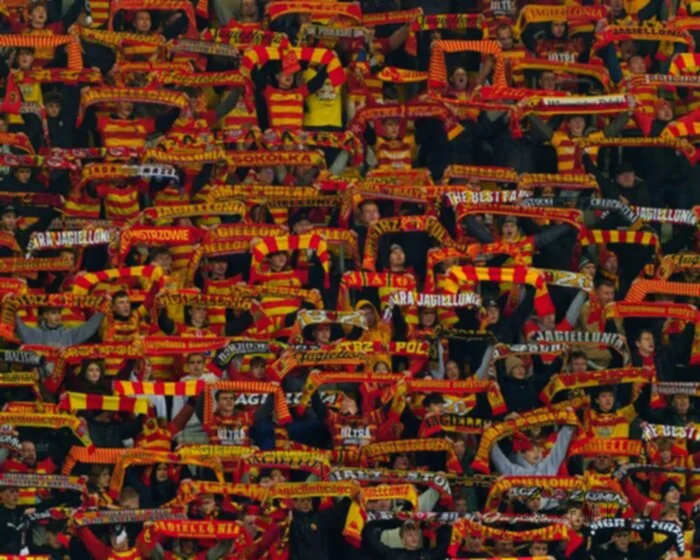
The passion and dedication of Polish football fans play an integral role in the sport’s booming popularity. Football in Poland is more than just a sport – it is a cultural phenomenon that unites communities and fosters a strong sense of national pride. The electric atmosphere in stadiums, with fans chanting and waving flags, creates an unrivaled experience for both players and spectators.
The rise of fan-driven initiatives, such as supporter-owned clubs and fan forums, has further strengthened the connection between clubs and their supporters. This grassroots involvement has helped sustain interest and engagement, ensuring that football remains a vibrant part of Polish life. The dedication of fans is evident in the high attendance numbers at matches, as well as the widespread support for the national team during international competitions.
Polish Football is Booming: League Competitiveness
The domestic league, Ekstraklasa, has become increasingly competitive, contributing to the perception that Polish football is booming. The league’s format encourages parity among clubs, with a playoff system that keeps the race for the championship open and exciting until the final matches of the season. This structure has led to thrilling contests and unexpected outcomes, attracting more attention from fans and media alike.
Moreover, the Ekstraklasa has made strategic partnerships with international broadcasters, expanding its reach and visibility beyond Poland’s borders. This increased exposure has not only drawn larger audiences but has also enhanced the league’s reputation as an exciting and competitive competition. As a result, the Ekstraklasa is now considered one of the most engaging leagues in Eastern Europe.
Polish Football is Booming: National Team Resurgence
The resurgence of the national team has been a major contributor to the perception that Polish football is booming. Under the guidance of skilled coaches and with the leadership of experienced players, the team has achieved notable successes in recent international competitions. Their qualification for major tournaments, such as the UEFA European Championship and FIFA World Cup, has reignited national pride and enthusiasm.
The Polish Football Association has played a crucial role in this revival, implementing strategic plans to improve the team’s performance and ensure sustainable success. By focusing on player development, tactical innovation, and sports science, the association has laid the groundwork for continued growth and achievement on the international stage.
Economic Impact and Sponsorship
The economic impact of the booming football scene in Poland cannot be underestimated. Football contributes significantly to the national economy through revenue generated from ticket sales, broadcasting rights, and merchandise. The sport has also attracted significant sponsorship deals from major corporations, further boosting the financial stability of clubs and the league.
This influx of capital has allowed clubs to invest in player acquisitions, training facilities, and community outreach programs. The financial health of Polish football has created a virtuous cycle, where increased investment leads to improved performances on the field, which in turn attracts more fans and sponsors.
Challenges and the Road Ahead
While Polish football is currently enjoying a period of prosperity, there are challenges that must be addressed to ensure long-term success. The development of young talent remains a key focus, as the country seeks to produce a steady stream of players who can compete at the highest levels. Additionally, maintaining financial stability and ensuring fair competition within the league are essential for sustained growth.
Efforts to expand the sport’s popularity beyond traditional strongholds and to engage more women and young people in football are ongoing. By addressing these challenges and capitalizing on the current momentum, Polish football can continue to thrive and solidify its position as a prominent force in the global football landscape.