NASAs Moon Rocket Launch Delayed Fuel Leak Causes Month-long Setb
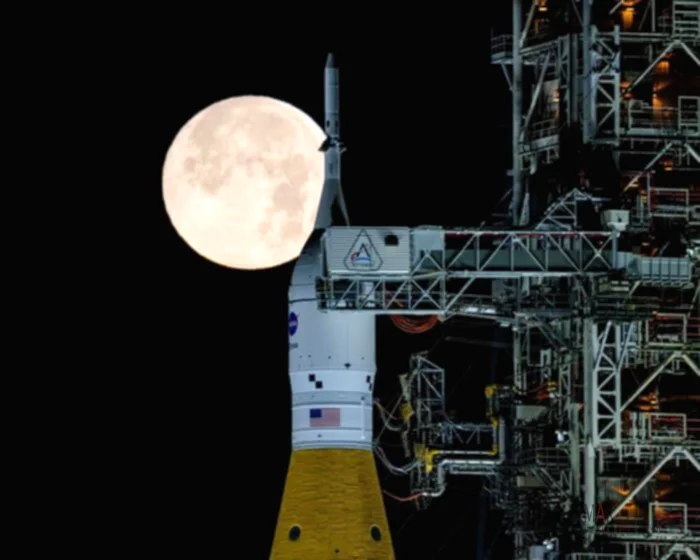
In a significant setback for NASA’s ambitious lunar mission, the much-anticipated moon rocket launch has been delayed due to a persistent fuel leak. The delay, announced by NASA officials late Tuesday, is expected to push the launch schedule back by a month, disrupting the timeline of the Artemis program aimed at returning humans to the Moon. This unexpected hiccup comes just as excitement was building among scientists, engineers, and space enthusiasts worldwide.
NASA’s Artemis Program Faces New Challenges
The Artemis program, which seeks to establish a sustainable human presence on the Moon by the end of the decade, has been eagerly anticipated as a pivotal moment in space exploration. The delay of the moon rocket launch, however, underscores the technical challenges that NASA faces in its quest to explore deep space. The program intends not only to land the first woman and the next man on the lunar surface but also to pave the way for future missions to Mars. The current setback highlights the complexity of the mission and the critical importance of thorough testing and problem-solving in space exploration.
Technical Glitches and Safety Concerns
NASA reported that during a routine check, engineers discovered a leak in one of the rocket’s fuel lines. The leak was detected in the hydrogen fuel system, which is crucial for the rocket’s propulsion. Hydrogen is a highly volatile element, and any leakage poses a significant risk, necessitating immediate attention and resolution. Engineers are now tasked with identifying the exact cause of the leak and implementing a solution to ensure the rocket’s safety and functionality. The safety of the crew and the success of the mission depend on resolving these technical issues, which is why the launch has been postponed.
The Implications of a Moon Rocket Launch Delayed
Delays in rocket launches are not uncommon, but they can have significant implications for mission schedules and budgets. With the moon rocket launch delayed, NASA must now reassess its timeline for the Artemis program. The delay could impact subsequent missions planned under the Artemis umbrella, including the deployment of the Lunar Gateway, an orbital outpost intended to support long-term lunar exploration. Each delay increases costs, strains resources, and requires adjustments to the carefully planned sequence of events leading up to the eventual lunar landing.
Coordination and Communication: Critical Components
In the wake of the delay, NASA is working closely with its partners and stakeholders to coordinate the next steps. Effective communication within NASA and with external partners such as SpaceX, Boeing, and international space agencies is crucial to minimizing the impact of the delay. The agency is also providing regular updates to the public and the scientific community to maintain transparency and manage expectations. Coordination efforts include rescheduling tests and simulations, reallocating resources, and revisiting logistical plans to accommodate the revised timeline.
The Role of International Collaboration
The Artemis program is not solely a NASA endeavor; it is a collaborative effort that involves multiple international partners. Agencies from Europe, Japan, and Canada have all contributed to the mission, providing technology, expertise, and support. The delay presents an opportunity for these partners to deepen their involvement and contribute to problem-solving efforts. Effective international collaboration is vital for the success of the Artemis program, and the current setback serves as a reminder of the importance of global cooperation in space exploration.
Addressing the Technological Hurdles
NASA’s engineers and scientists are now focused on addressing the technological hurdles that led to the delay. The primary challenge is to fix the fuel leak without compromising the integrity of the entire rocket system. This involves meticulous testing and analysis to ensure that the fix is robust and sustainable. The team is utilizing advanced diagnostic tools and simulations to identify the root cause of the problem and develop a comprehensive solution. The process requires precision and patience, as even minor miscalculations can lead to further complications.
Preparing for Future Launch Attempts
With the immediate priority being the resolution of the fuel leak, NASA is also preparing for future launch attempts. This includes revising the launch schedule, conducting additional tests, and ensuring that all systems are fully operational before the next launch attempt. The agency is committed to maintaining the highest standards of safety and reliability, and this delay, while unfortunate, is a necessary step in ensuring the success of the mission. The lessons learned from this experience will undoubtedly inform future launches and contribute to the overall success of the Artemis program.
The Broader Impact on Space Exploration
The delay of the moon rocket launch is a reminder of the inherent challenges and uncertainties of space exploration. While setbacks are a natural part of any ambitious endeavor, they also provide valuable opportunities for learning and growth. NASA’s response to this challenge will not only influence the outcome of the Artemis program but also shape the future of human space exploration. The agency’s ability to overcome technical hurdles and coordinate effectively with its partners will be critical to achieving its long-term goals of lunar and Martian exploration.
Public Interest and Engagement
Public interest in space exploration remains high, and the delay has only intensified curiosity and speculation about the Artemis program. NASA’s commitment to transparency and open communication has helped maintain public engagement and support for the mission. The agency’s efforts to educate and inform the public about the challenges and achievements of space exploration have been instrumental in fostering a sense of shared purpose and excitement about humanity’s future in space.
As NASA works tirelessly to resolve the current issues and prepare for the next launch attempt, the world watches with anticipation and hope. The delay is a temporary setback in the grand scheme of space exploration, but it is also a testament to the resilience and ingenuity of the scientists, engineers, and visionaries who are dedicated to exploring the final frontier.