UKs Most-Used Passwords Revealed Amid Rising Scam Threats
In a digital era where cybersecurity threats are escalating at an alarming rate, the most-used passwords revealed in the UK offer a stark reminder of the vulnerabilities that persist in personal online security. As more individuals fall victim to cyber scams and data breaches, the importance of robust password protection has never been more crucial. A recent study highlights the commonly used passwords across the country, shedding light on the potential risks associated with these choices.
Alarmingly Predictable Password Choices
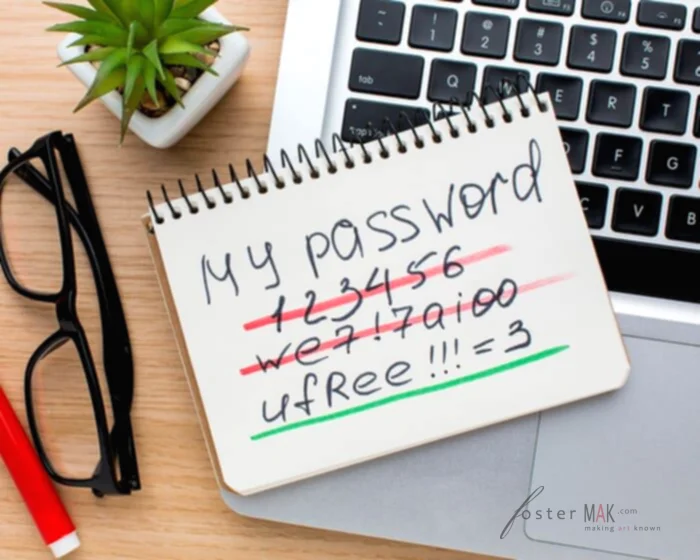
The study, conducted by a leading cybersecurity firm, analyzed a vast dataset of breached accounts to understand the most prevalent passwords in use. The findings reveal a concerning trend: many individuals continue to employ simple and easily guessable passwords, leaving their accounts perilously exposed to unauthorized access.
Among the top offenders are sequences such as
123456,
password,
and
qwerty,
which have consistently appeared on lists of weak passwords worldwide. These choices, while easy to remember, offer little resistance against even the most basic hacking attempts. Despite numerous warnings from cybersecurity experts and repeated campaigns to encourage stronger password usage, these simple combinations remain alarmingly popular among users.
The Human Element in Cybersecurity
Understanding why users persist in choosing weak passwords involves exploring the human element of cybersecurity. Many individuals prioritize convenience over security, opting for passwords that are easy to recall rather than those that are secure. The challenge of managing multiple accounts and passwords can lead to a reliance on simple, repetitive choices.
Moreover, the perception of personal risk plays a significant role. Some users believe they are unlikely targets for cybercriminals, underestimating the potential value of their data. This false sense of security can lead to complacency in password management, inadvertently putting personal and financial information at risk.
Most-Used Passwords Revealed: A Closer Look
The most-used passwords revealed in the study highlight specific patterns and trends. Simple numerical sequences, common words, and easily accessible information like names and birthdates are frequently chosen. This reliance on predictable patterns makes it significantly easier for cybercriminals to execute successful attacks using automated tools designed to crack such passwords.
Cybersecurity experts emphasize the critical need for users to adopt more complex passwords. Incorporating a mix of letters, numbers, and special characters, as well as avoiding any personal information, can significantly enhance security. Additionally, the use of password managers is encouraged to help users maintain unique and complex passwords for each of their accounts.
Consequences of Weak Password Practices
The consequences of using weak passwords extend beyond individual risks. On a larger scale, data breaches resulting from compromised passwords can have significant implications for businesses and organizations. When employees use weak passwords, entire networks can be exposed to cyber threats, leading to potential data loss, financial damage, and reputational harm.
For consumers, the fallout from a cyberattack can include identity theft, financial fraud, and unauthorized access to personal information. The recovery process can be long and arduous, involving time-consuming measures to restore security and mitigate damage. The emotional and financial toll on victims further underscores the importance of proactive password management.
Cybersecurity Awareness and Education
In response to the ongoing challenges posed by weak passwords, cybersecurity education has become a focal point for many organizations and governments. Initiatives aimed at raising awareness about the importance of strong passwords and safe online practices are being implemented across various sectors.
Workshops, webinars, and informational campaigns are designed to educate users about the risks associated with weak passwords and provide practical guidance on creating and managing secure ones. By equipping individuals with the knowledge and tools necessary to protect themselves online, these initiatives aim to reduce the prevalence of easily compromised passwords.
Most-Used Passwords Revealed: Implications for Businesses
For businesses, the revelation of the most-used passwords poses specific challenges and responsibilities. Organizations must prioritize cybersecurity by implementing robust password policies and enforcing regular updates. Employee training programs should emphasize the importance of strong passwords and the role they play in safeguarding company data.
Moreover, businesses are encouraged to adopt multi-factor authentication (MFA) as an additional layer of security. By requiring users to verify their identity through multiple means, such as a password and a one-time code sent to a mobile device, MFA can significantly reduce the risk of unauthorized access.
Taking Action Against Cyber Threats
The ongoing issue of weak passwords is a call to action for individuals, businesses, and policymakers alike. As cyber threats continue to evolve, so too must the strategies employed to combat them. By prioritizing password security and promoting a culture of cybersecurity awareness, it is possible to mitigate the risks associated with common password vulnerabilities.
In conclusion, the revelation of the UK’s most-used passwords serves as a critical reminder of the work that remains to be done in the realm of cybersecurity. It highlights the need for ongoing vigilance, education, and innovation to protect against the ever-present threats posed by cybercriminals.