
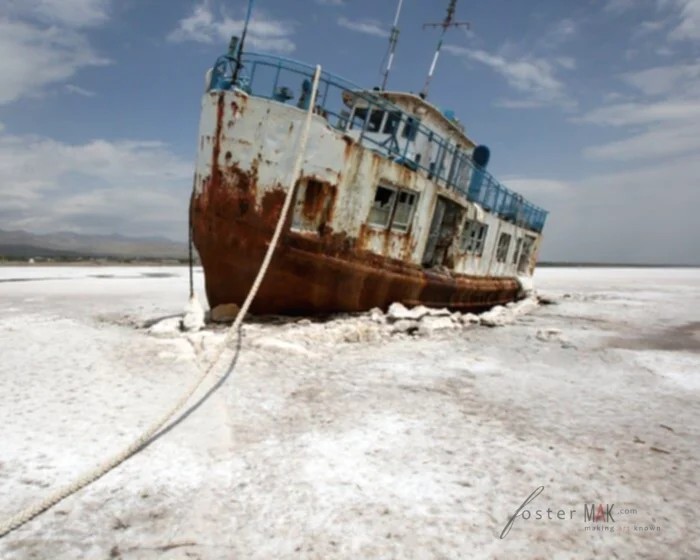
Exploring the Global Crisis Are We in a Water Bankruptcy Era?
The world is on the brink of what experts are calling a
water bankruptcy era,
a term that captures the increasingly dire state of global water resources. With a growing population, climate change, and widespread mismanagement of water supplies, the issue has become one of the most pressing challenges of the 21st century. The term
water bankruptcy
suggests a scenario where the demand for water outstrips its availability, leading to severe economic, social, and environmental repercussions. As nations grapple with dwindling freshwater supplies, the need for sustainable management becomes ever more critical.
The Growing Demand for Water
Water is an essential resource for life, agriculture, and industry. Over the past century, the demand for freshwater has surged due to population growth, industrial expansion, and agricultural intensification. According to the United Nations, water use has increased at more than twice the rate of population growth in the last century. This rising demand poses a significant challenge as the available freshwater resources remain constant.
Agriculture is a major consumer of water, accounting for approximately 70% of global water withdrawals. As the world population approaches 9 billion by 2050, the demand for food production will necessitate even more water. Industrial activities also contribute substantially to water consumption, and as nations industrialize, the pressure on water resources is expected to increase further.
Climate Change and Its Impact
Climate change is exacerbating the water crisis, altering precipitation patterns and disrupting hydrological cycles. Many regions are experiencing more frequent and severe droughts, while others face intense flooding. These changes not only affect water availability but also its quality. Warmer temperatures can lead to higher evaporation rates, reducing the amount of water stored in lakes and reservoirs.
The Intergovernmental Panel on Climate Change (IPCC) indicates that climate change will intensify the water cycle, leading to greater variability in water supply. This unpredictability poses a challenge for water management, as planners struggle to balance supply and demand in an increasingly unstable environment.
Water Bankruptcy Era: A Looming Threat
As the world enters what some experts call a
water bankruptcy era,
the consequences are becoming more apparent. Water scarcity threatens to undermine economic development, particularly in regions where agriculture is a primary economic activity. Without reliable water supplies, farmers cannot sustain crops, leading to food shortages and increased prices.
In urban areas, water shortages can lead to social unrest, as residents compete for access to dwindling resources. Municipalities face the challenge of providing clean and safe water to growing populations, often with aging infrastructure that is ill-equipped to handle the demands. The situation is further complicated by pollution, which reduces the quality of available water and poses health risks.
Case Studies: Nations on the Brink
Several countries are already experiencing the effects of water bankruptcy. In India, the situation is acute, with some cities running out of water during dry seasons. The country’s reliance on groundwater has led to significant depletion, and efforts to replenish these resources have been insufficient.
South Africa’s Cape Town famously faced
Day Zero
in 2018, when the city nearly ran out of water. While the crisis was averted through stringent water-saving measures, it highlighted the vulnerability of urban centers to water shortages.
In the Middle East, countries like Jordan and Yemen are grappling with extreme water scarcity. The combination of arid climates, political instability, and population growth has led to severe water stress. These examples underscore the global nature of the water crisis and the need for coordinated international efforts to address it.
Innovative Solutions and Management Strategies
Addressing the water bankruptcy era requires innovative solutions and effective management strategies. Many regions are investing in technologies to improve water efficiency and conservation. Desalination plants, which convert seawater into drinkable water, offer one solution, though they are energy-intensive and expensive.
Water recycling is another approach gaining traction, particularly in arid regions. By treating wastewater and returning it to the supply, cities can reduce their reliance on freshwater sources. Additionally, smart irrigation systems in agriculture can minimize water waste by delivering precise amounts of water to crops.
Policy reforms are also crucial. Governments must implement regulations that promote sustainable water use and protect water resources from pollution. International cooperation is essential, as many water sources cross national borders, and disputes over water rights can exacerbate tensions.
The Role of Education and Public Awareness
Education and public awareness are vital components in addressing the water crisis. By understanding the value of water and the need for conservation, individuals can contribute to more sustainable water use. Public campaigns and educational programs can highlight the importance of water-saving practices and encourage community involvement in water management initiatives.
Schools and universities play a critical role in fostering a culture of conservation. By integrating water management into curricula, educational institutions can equip future generations with the knowledge and skills needed to tackle water challenges.
Water Bankruptcy Era: A Call to Action
The prospect of a water bankruptcy era serves as a stark reminder of the urgent need for action. Governments, businesses, and individuals must work collaboratively to ensure the sustainable management of water resources. The transition to a more water-efficient world will require investment in infrastructure, technology, and education.
As the global community faces the challenges of water scarcity, the lessons learned will be invaluable in shaping a sustainable future. By prioritizing water management and embracing innovative solutions, the world can move towards a more resilient and equitable distribution of this vital resource.