
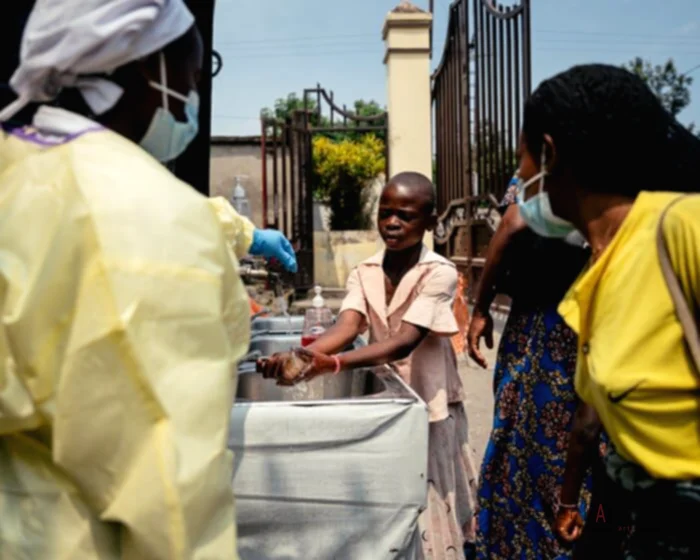
Experts Warn Infectious Diseases Like Hantavirus and Ebola Surge
In recent months, health officials and experts have raised alarms about the increasing prevalence of infectious diseases such as hantavirus and Ebola. These diseases, known for their high mortality rates and potential for rapid spread, have become a focal point of concern for global health authorities. As outbreaks become more frequent, understanding the factors contributing to their resurgence and the implications for public health is crucial.
Rising Cases and Growing Concerns
Reports from various regions indicate a troubling rise in cases of infectious diseases like hantavirus and Ebola. The hantavirus, primarily transmitted through contact with the urine, droppings, or saliva of infected rodents, has seen a resurgence in areas where human encroachment on wildlife habitats is increasing. Meanwhile, Ebola, a virus that causes severe bleeding and organ failure, continues to pose a significant threat in parts of Africa, despite extensive efforts to control it.
Public health experts attribute this surge to several factors, including environmental changes, increased human movement, and gaps in healthcare infrastructure. Climate change has altered ecosystems, leading to changes in rodent populations and increased human-wildlife interactions. Additionally, global travel and trade have facilitated the rapid spread of these viruses across borders, complicating containment efforts.
The Challenge of Early Detection
One of the biggest challenges in combating infectious diseases hantavirus and Ebola is early detection. Both viruses can present with nonspecific symptoms, making initial diagnosis difficult. Hantavirus symptoms often resemble those of the flu, while Ebola can mimic other viral hemorrhagic fevers. This overlap in symptoms can lead to misdiagnosis or delayed diagnosis, allowing the diseases to spread further before intervention.
Early detection is critical in managing outbreaks, as it enables timely isolation and treatment of patients. Health systems in affected regions are often under-resourced, lacking the necessary tools and training to identify these diseases quickly. Efforts are underway to improve diagnostic capabilities through increased funding and training programs for healthcare workers in high-risk areas.
Infectious Diseases Hantavirus and Ebola: A Global Health Priority
The World Health Organization (WHO) has labeled infectious diseases hantavirus and Ebola as global health priorities. The organization emphasizes the need for international cooperation to address the underlying causes of these outbreaks and to strengthen health systems worldwide. Collaborative efforts are essential to developing effective surveillance systems, improving diagnostic tools, and ensuring access to healthcare in remote or underserved areas.
Research into vaccines and treatments for these diseases has made significant progress, yet challenges remain. While vaccines for Ebola have been developed and deployed, accessibility and distribution continue to be issues in regions where the disease is most prevalent. Research into hantavirus vaccines is ongoing, with several candidates showing promise in early trials.
Community Engagement and Public Awareness
Community engagement and public awareness play vital roles in controlling the spread of infectious diseases. Informing communities about the risks and transmission methods of hantavirus and Ebola can help reduce the likelihood of outbreaks. Public health campaigns and educational initiatives are critical in promoting preventive measures such as proper hygiene, safe food handling, and avoiding contact with potentially infected animals.
In many regions, local leaders and community organizations have been instrumental in disseminating information and encouraging behavior change. Their involvement is crucial in building trust and ensuring that public health messages resonate with diverse audiences. By fostering community involvement, health authorities can create more resilient systems capable of responding effectively to outbreaks.
Coordination and Response Strategies
Coordinating response strategies across different sectors and levels of government is essential for managing outbreaks of infectious diseases hantavirus and Ebola. Governments, international organizations, and non-governmental organizations must work together to develop comprehensive response plans that address the multifaceted nature of these diseases.
These plans should include strategies for rapid response, surveillance, and containment, as well as long-term measures to strengthen healthcare infrastructure. Investing in healthcare systems not only improves the ability to respond to outbreaks but also enhances overall health outcomes by providing better access to essential services.
Scientific Advances and Future Directions
Recent scientific advances in understanding hantavirus and Ebola have opened new avenues for research and intervention. Genomic sequencing and molecular biology techniques have improved our understanding of the viruses’ behavior, aiding in the development of targeted therapies and vaccines. Continued investment in research is vital to developing innovative solutions that can effectively combat these diseases.
Looking ahead, experts emphasize the importance of a multidisciplinary approach to addressing the challenges posed by infectious diseases. By integrating insights from fields such as epidemiology, virology, and public health, researchers can develop more effective strategies for prevention and treatment.
Policy Implications and Global Health Governance
The resurgence of infectious diseases like hantavirus and Ebola has significant policy implications for global health governance. Policymakers must prioritize funding for research, healthcare infrastructure, and public health initiatives to mitigate the impact of these diseases. International cooperation and information sharing are crucial in developing coordinated responses that can address the complex challenges posed by infectious diseases.
Strengthening global health governance requires a commitment from all nations to adhere to international health regulations and to support efforts aimed at improving health security worldwide. By fostering collaboration and transparency, countries can better prepare for and respond to future outbreaks, ultimately reducing the burden of infectious diseases on global health systems.