Outrage as WaterNSW Leaves Hundreds of Turtles to Die in Wetlands
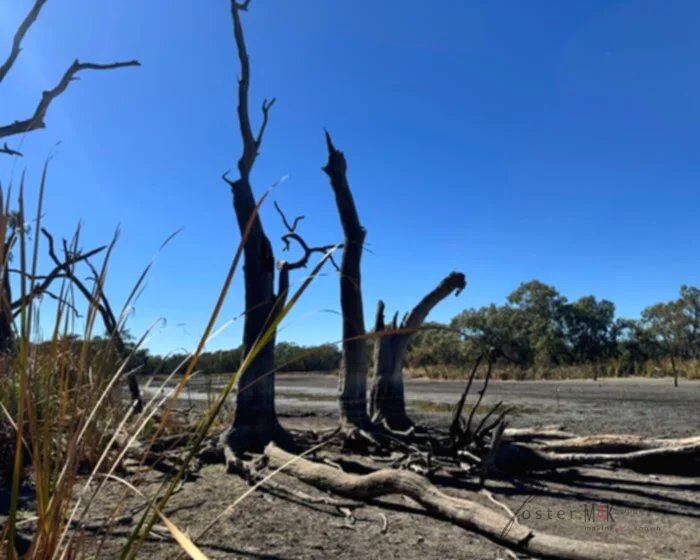
In a shocking turn of events that has sparked outrage among conservationists and the public alike, hundreds of turtles were reportedly left to die in wetlands managed by WaterNSW. This alarming incident has raised significant questions about the management practices of WaterNSW and the broader implications for wildlife conservation in areas under their jurisdiction. The sight of helpless turtles left stranded has drawn attention to the urgent need for sustainable water management practices, particularly in regions where human infrastructure intersects with natural habitats.
Community Outcry Over Neglected Turtles
The local community has been vocal in its criticism of WaterNSW after reports emerged that turtles were left to die in wetlands that dried up under the agency’s management. Residents living near the affected wetlands have expressed their dismay at the apparent neglect.
It’s heartbreaking to see these creatures suffering due to what seems like sheer negligence,
said Samantha Green, a local wildlife enthusiast who frequently visits the wetlands.
Environmental groups have also condemned the situation, demanding immediate action and accountability. The sight of turtles struggling for survival in what should be a thriving natural habitat has stirred emotions and prompted calls for a comprehensive review of current water management practices.
Mismanagement or Unforeseen Circumstances?
As the controversy unfolds, questions are being raised about whether the incident was due to mismanagement or unforeseen environmental conditions. WaterNSW, the state-owned corporation responsible for managing water supply and infrastructure, has come under scrutiny for its role in the crisis. Critics argue that a lack of proactive measures contributed to the drying up of the wetlands, leaving the turtles without a viable habitat.
Speaking on behalf of WaterNSW, spokesperson David Thompson cited unexpected climatic conditions as a contributing factor.
While we strive to maintain balanced ecosystems, the recent dry spell has been unprecedented,
Thompson stated. However, conservationists argue that such explanations do not absolve the agency of its responsibility to anticipate and mitigate potential risks to wildlife.
Turtles Left to Die in Wetlands: A Closer Look
The wetlands in question serve as a crucial habitat for several species of turtles, including the threatened Eastern Long-necked Turtle. The drying up of these wetlands has left hundreds of turtles vulnerable, with many reportedly succumbing to dehydration and starvation. Conservationists point out that the turtles’ plight is emblematic of a larger issue— the ongoing struggle to balance human needs with environmental stewardship.
The importance of wetlands as ecosystems cannot be overstated. They provide not only a home for diverse wildlife but also play a critical role in water purification, flood control, and carbon storage. The neglect of these ecosystems can have far-reaching consequences, affecting both biodiversity and human communities that rely on them.
Calls for Reform in Water Management
In light of the incident, there is growing pressure on WaterNSW to reevaluate its approach to water management. Environmental advocacy groups are calling for the implementation of more robust strategies to protect vulnerable ecosystems. This includes the development of contingency plans for extreme weather events and increased investment in ecological research.
The incident has also reignited discussions about the role of governmental and non-governmental organizations in safeguarding natural habitats. Collaboration between various stakeholders is seen as essential to developing effective solutions that prioritize both ecological preservation and human needs.
Turtles Left to Die in Wetlands: A Wake-Up Call
The distressing images of turtles left to die in wetlands serve as a stark reminder of the delicate balance required in managing natural resources. As public awareness grows, there is an opportunity to galvanize support for meaningful changes in the way water resources are managed across the region.
Advocates argue that the incident should act as a catalyst for change, prompting a reevaluation of priorities and practices.
We cannot afford to ignore the warning signs any longer,
emphasized Dr. Laura Mitchell, a leading conservationist.
The lives of these turtles are a testament to the urgent need for reform.
A Call for Accountability and Transparency
The incident has also highlighted the need for greater transparency in the operations of WaterNSW. The public and environmental groups are demanding a full investigation into the circumstances that led to the crisis. They argue that understanding the root causes is crucial for preventing similar incidents in the future.
Transparency in decision-making processes and timely communication with the public are seen as vital components of effective water management. The lack of clear information has fueled frustration and mistrust among stakeholders, underscoring the importance of open dialogue and accountability.
Immediate Steps and Long-Term Solutions
In response to the outcry, WaterNSW has pledged to implement immediate measures to prevent further harm to the turtle population. This includes emergency water releases to replenish the wetlands and collaboration with wildlife experts to rescue and rehabilitate affected turtles.
In the long term, experts advocate for a holistic approach to water management that considers ecological, social, and economic factors. The integration of traditional knowledge and modern science is seen as a way to develop resilient systems capable of withstanding environmental variability.
The Broader Implications for Conservation
The plight of turtles left to die in wetlands has broader implications for conservation efforts across the country. It serves as a poignant example of the challenges faced by wildlife in a rapidly changing world. The incident underscores the importance of prioritizing ecological health in policy-making and resource management.
As the situation continues to unfold, it is clear that the need for sustainable practices is more pressing than ever. The fate of wetlands and their inhabitants hinges on the decisions made today, highlighting the critical role of informed and responsible stewardship in securing a future where both humans and wildlife can thrive.