Trump Eager for Iran Talks Amid Middle East Tensions
In a surprising turn of events, former President Donald Trump has expressed a keen interest in engaging with Iran to discuss ongoing tensions in the Middle East. The news of Trump talks with Iran has sent ripples through various political and diplomatic circles, highlighting the former president’s persistent influence on international affairs. This development comes at a time when the geopolitical landscape of the Middle East is fraught with complexities, prompting questions about the potential outcomes of such discussions.
Trump’s Diplomatic Overture
In recent weeks, Trump has made headlines by signaling his openness to dialogue with Iran, a nation that has been at odds with the United States for decades. This diplomatic overture marks a stark contrast to his administration’s previous hardline stance against Tehran. During his presidency, Trump withdrew the United States from the Joint Comprehensive Plan of Action (JCPOA), commonly known as the Iran nuclear deal, and imposed stringent sanctions on the country. These actions were part of a broader strategy to exert maximum pressure on Iran in an effort to curb its nuclear ambitions and regional influence.
Trump’s current willingness to engage in talks with Iran suggests a potential shift in his approach to foreign policy. While the details of any potential negotiations remain unclear, the former president has hinted at the possibility of achieving a more comprehensive agreement that addresses not only nuclear issues but also Iran’s ballistic missile program and support for proxy groups in the region. Such a development could have significant implications for regional stability and international relations.
The Middle East’s Volatile Landscape
The Middle East has long been a region characterized by its geopolitical volatility, with various conflicts and power struggles shaping the dynamics of the area. This complexity is further compounded by the involvement of numerous state and non-state actors, each pursuing their own interests. The ongoing tensions between Iran and the U.S. have only added to the region’s instability, with both nations engaging in a series of confrontations over the past few years.
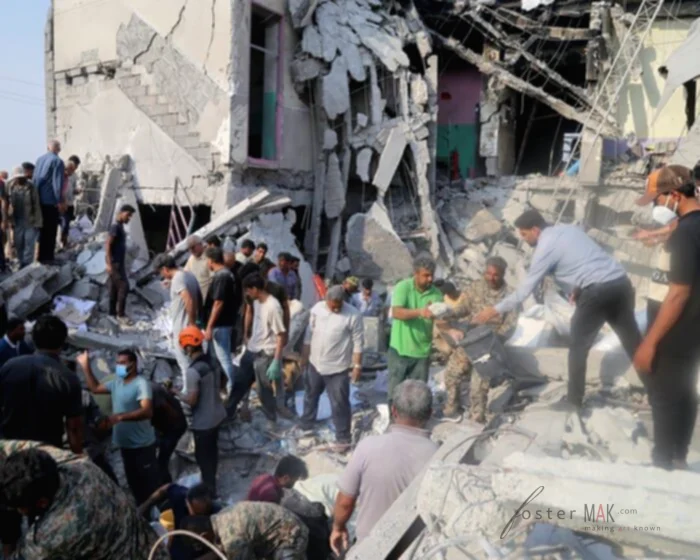
The prospect of Trump talks with Iran is particularly significant given the current state of affairs in the Middle East. The region has witnessed an escalation of hostilities in recent months, with incidents such as attacks on oil tankers, drone strikes, and proxy conflicts heightening the risk of a broader conflict. Against this backdrop, any diplomatic efforts to ease tensions could play a crucial role in preventing further escalation and fostering dialogue among regional stakeholders.
Trump Talks with Iran: A Controversial Proposition
While the idea of Trump talks with Iran has garnered attention, it has also sparked controversy and debate among political observers and analysts. Critics argue that Trump’s approach to Iran during his presidency was marked by inconsistency and unpredictability, raising concerns about the viability of any potential negotiations. Some experts contend that Trump’s decision to withdraw from the JCPOA and reimpose sanctions on Iran undermined the diplomatic progress made by the Obama administration, making it challenging to rebuild trust between the two nations.
On the other hand, supporters of Trump’s potential engagement with Iran argue that his unconventional approach to diplomacy could yield results that traditional methods have failed to achieve. They point to his previous interactions with North Korea as an example of his willingness to engage with adversaries and break diplomatic norms in pursuit of a deal. However, the complexities of the Middle East and the deep-rooted animosities between Iran and the U.S. present formidable challenges that any diplomatic initiative must address.
Reactions from the Global Community
The news of Trump’s interest in talks with Iran has elicited varied reactions from the global community. In Europe, where many countries remain committed to the JCPOA, leaders have expressed cautious optimism about the potential for renewed dialogue. The European Union has consistently advocated for a diplomatic resolution to the Iran nuclear issue, and Trump’s overture could be seen as an opportunity to revive negotiations on a multilateral basis.
In contrast, U.S. allies in the Middle East, particularly Israel and Saudi Arabia, have expressed skepticism about Trump’s intentions. Both nations have been vocal critics of Iran’s regional influence and have supported the U.S.’s maximum pressure campaign against Tehran. The prospect of Trump talks with Iran raises concerns about the potential implications for their security interests and the balance of power in the region.
Domestic Implications for Trump
Domestically, Trump’s willingness to engage in talks with Iran has sparked debate among his supporters and detractors. For many of his base, Trump’s foreign policy decisions have been a defining feature of his presidency, characterized by a focus on American interests and a willingness to challenge established norms. The potential for Trump talks with Iran may be viewed as a continuation of this approach, aimed at securing a more favorable deal for the U.S.
However, some political analysts suggest that Trump’s current interest in Iran could be part of a broader strategy to remain relevant in the political arena as he considers a potential run for the presidency in 2024. Engaging in high-profile international diplomacy could bolster his credentials as a statesman and demonstrate his ability to navigate complex global issues.
Trump Talks with Iran: The Path Forward
The path forward for Trump talks with Iran remains uncertain, with numerous factors influencing the potential for progress. One key consideration is the stance of the current U.S. administration, which has pursued its own diplomatic efforts with Iran while maintaining pressure on the regime. Any potential talks involving Trump would need to be coordinated with the Biden administration to ensure a cohesive and unified approach to the issue.
Moreover, the success of any negotiations would depend on Iran’s willingness to engage in meaningful discussions and make concessions on key issues. Iran’s leadership has consistently maintained that any talks must be based on mutual respect and the lifting of sanctions imposed by the U.S. Rebuilding trust and establishing a framework for dialogue will be essential for any potential diplomatic breakthrough.
In conclusion, the prospect of Trump talks with Iran amid ongoing Middle East tensions presents both opportunities and challenges. While the possibility of renewed dialogue between the two nations could contribute to regional stability, the complexities of the geopolitical landscape and the deep-seated mistrust between the parties involved underscore the difficulties that lie ahead. As the situation continues to evolve, the world will be watching closely to see how these developments unfold.