Germany’s Military Power on the Rise A European Union Perspective
Germany’s military power on the rise has been a topic of considerable discussion and analysis within European Union circles. As the geopolitical landscape continues to evolve, this topic has garnered attention due to Germany’s increasing role in regional security and defense initiatives. The country’s enhanced military capabilities have implications not only for Germany but also for the broader European Union and its strategic objectives.
Historical Context and Recent Developments
The resurgence of Germany’s military power is rooted in a complex historical context. Post-World War II, Germany adopted a pacifist stance, focusing on economic growth and European integration. However, recent global tensions and regional conflicts have prompted a reevaluation of its military posture. In particular, Germany’s military power on the rise can be attributed to an array of policy shifts and investments aimed at modernizing its armed forces.
In recent years, Germany has undertaken significant reforms to enhance its military capabilities. These include increased defense spending, procurement of advanced weaponry, and a commitment to contribute more robustly to NATO missions. Such efforts are part of Germany’s broader strategy to assume a more proactive role in global security affairs. This shift has been met with both support and skepticism from various EU member states, each with differing perspectives on military expansion.
The Role of Defense Spending
Germany’s military power on the rise is inextricably linked to its defense budget. In light of growing security challenges, Germany has made a commitment to increase its defense spending. The government has pledged to allocate 2% of its GDP to defense, aligning with NATO’s target. This increase in financial resources is intended to address longstanding issues such as outdated equipment and inadequate personnel levels.
The increase in defense spending has facilitated the acquisition of state-of-the-art military hardware, including fighter jets, naval vessels, and cyber defense systems. These investments are aimed at enhancing Germany’s operational capabilities and readiness to respond to potential threats. Additionally, the increased budget supports initiatives to improve the living and working conditions of military personnel, thereby bolstering recruitment and retention efforts.
Germany’s Strategic Partnerships
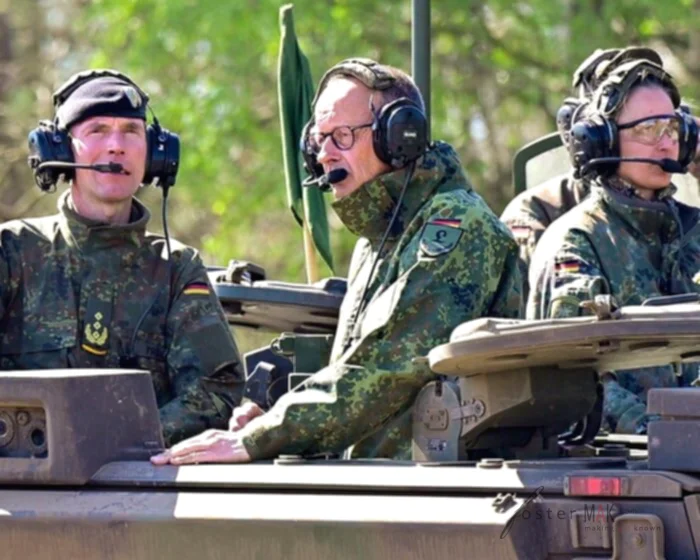
Germany’s military power on the rise is also reflected in its strategic partnerships with other nations. As a key member of the EU and NATO, Germany has been actively engaging with allies to strengthen collective defense arrangements. Bilateral and multilateral exercises with countries such as the United States, France, and the United Kingdom are integral to fostering interoperability and enhancing joint operational capabilities.
Moreover, Germany has taken a leadership role in EU defense initiatives, such as the Permanent Structured Cooperation (PESCO) and the European Defence Fund. These initiatives aim to promote collaboration and resource sharing among EU member states, reducing redundancies and enhancing the collective security posture of the region. Germany’s commitment to these efforts underscores its intent to be a pivotal player in European defense.
Germany’s Military Power on the Rise Analyzing the Implications
The implications of Germany’s military power on the rise are multifaceted and extend beyond national borders. For the European Union, Germany’s enhanced military capabilities represent both an opportunity and a challenge. On one hand, a stronger German military can contribute to regional stability and bolster the EU’s security architecture. On the other hand, it raises questions about the balance of power within the EU and the potential for increased militarization.
Germany’s neighbors and allies have expressed varying degrees of support and concern regarding its military expansion. While some view it as a necessary step to counter external threats, others are wary of the historical connotations and the potential for a shift in regional dynamics. The challenge for Germany and the EU is to navigate these complexities while ensuring transparency and maintaining trust among member states.
Challenges and Criticisms
Despite the progress made, Germany’s military power on the rise faces several challenges and criticisms. One of the primary concerns is the pace of modernization efforts. Critics argue that bureaucratic inefficiencies and procurement delays have hindered the timely implementation of defense initiatives. Additionally, there are concerns about the ability of the Bundeswehr to integrate new technologies and systems effectively.
Another area of criticism is the lack of a coherent long-term strategy. While the increase in defense spending and capability enhancement is evident, some analysts argue that Germany lacks a clear strategic vision for its military role on the global stage. This perceived ambiguity has led to calls for a more defined and transparent defense policy that aligns with both national and EU objectives.
Germany’s Military Power on the Rise Within the European Context
Germany’s military power on the rise must be viewed within the broader European context. As the EU seeks to assert itself as a global security actor, Germany’s military capabilities play a crucial role in shaping the bloc’s strategic direction. The EU’s Common Security and Defence Policy (CSDP) aims to enhance the union’s ability to act independently, and Germany’s contributions are pivotal to achieving this goal.
Germany’s increased military involvement is also seen as a response to shifting global power dynamics, including the rise of China and the resurgence of Russia. By strengthening its military, Germany aims to not only protect its national interests but also contribute to the stability and security of the European continent. This aligns with the EU’s vision of promoting peace and security through collective action and strategic autonomy.
The Future of Germany’s Military Trajectory
As Germany’s military power on the rise continues to shape European security discussions, the future trajectory of its military development remains a topic of interest and debate. The ongoing commitment to defense modernization and international partnerships suggests that Germany is poised to play an increasingly significant role in global security affairs. However, the path forward will require careful navigation of domestic and international challenges to ensure that Germany’s military resurgence aligns with broader EU objectives and does not exacerbate regional tensions.
In conclusion, Germany’s military power on the rise represents a significant shift in the European security landscape. As Germany continues to enhance its military capabilities, its role within the EU and its contributions to regional and global security will be closely scrutinized by allies and adversaries alike.