Unbelievable NBA Superstitions Lucky Socks and More
The world of professional basketball is filled with incredible athleticism, intense competition, and a wealth of NBA superstitions. From the quirky rituals of individual players to team-wide traditions, these superstitions often serve as a psychological tool to gain an edge on the court. While some may dismiss these practices as mere idiosyncrasies, their prevalence in the NBA suggests a deeper significance.
The Origins of NBA Superstitions
Superstitions have been a part of sports culture for as long as athletes have competed. In the NBA, these rituals have evolved over decades, influenced by personal beliefs, cultural traditions, and the high-stakes nature of the game. Players often adopt superstitions in hopes of enhancing performance or avoiding injury. This phenomenon is not unique to basketball, but the NBA’s global popularity has brought these practices into the spotlight.
NBA superstitions can be traced back to the early days of the league, when players sought control over unpredictable elements of the game. Over time, these rituals became ingrained in the culture of basketball, with players passing down their beliefs to younger generations. Today, NBA superstitions are as varied as the players themselves, reflecting the diverse backgrounds and personalities within the league.
Iconic Player Rituals That Define the Game
Some of the most famous NBA superstitions are associated with legendary players whose careers have left an indelible mark on the sport. Michael Jordan, for instance, was known for wearing his University of North Carolina shorts under his Chicago Bulls uniform throughout his career. This ritual, which began during his college days, became a symbol of his success and dedication to the game.
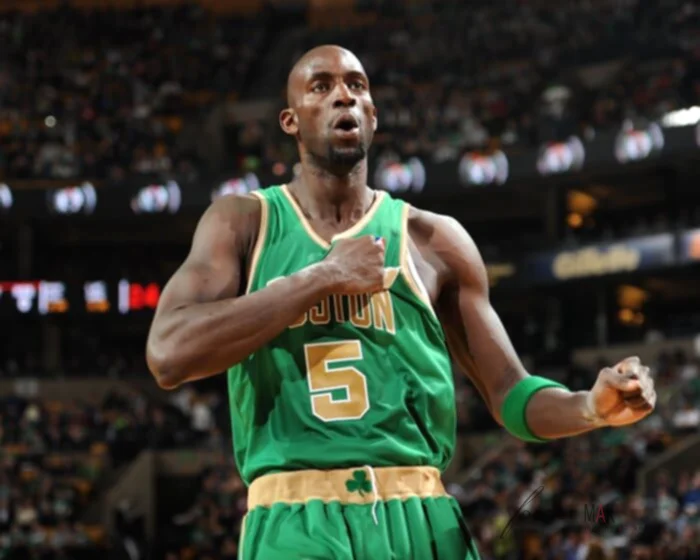
Another notable example is LeBron James, who famously tosses a cloud of chalk into the air before every game. This pre-game ritual has become a signature move, embodying his focus and readiness. Similarly, Kevin Garnett was known for his intense routine of headbutting the stanchion before tip-off, a practice that exemplified his fierce competitive spirit.
These rituals are not just about superstition; they are also about creating a mental framework that prepares players for the challenges ahead. By adhering to these routines, players can enter a state of concentration and confidence, enabling them to perform at their best.
Team Traditions and Collective Beliefs
While individual players have their own superstitions, entire teams can also adopt rituals that foster unity and camaraderie. These collective beliefs often emerge during successful seasons or playoff runs, when players are eager to maintain a winning streak. For example, the Boston Celtics’ tradition of touching the
Celtics Pride
sign before entering the court is a practice that dates back to the franchise’s storied past.
In some cases, team superstitions are tied to specific locations or events. The Miami Heat, for instance, developed a ritual of avoiding walking on the court’s logo during their championship runs. This practice was seen as a sign of respect for the team’s identity and history.
Team superstitions can also extend to coaching staff and management. Coaches may wear the same suit for every game during a winning streak, while team owners might sit in the same seat or follow a specific routine to ensure good luck. These collective rituals help create a sense of belonging and purpose, reinforcing the idea that every member of the organization has a role in the team’s success.
Quirky Habits That Capture Attention
Beyond the well-known rituals of stars and teams, the NBA is filled with quirky habits that capture the imagination of fans. Some players have been known to eat the same pre-game meal, wear specific socks, or listen to a particular song before taking the court. These seemingly trivial actions are often seen as vital components of a player’s routine, instilling confidence and familiarity.
One such example is former NBA player Jason Terry, who reportedly slept in his opponent’s shorts the night before each game. This unusual practice was meant to prepare him mentally for the challenge of facing different teams. Similarly, former player Caron Butler was known for chewing straws during games, a habit he picked up during his college days.
These quirky superstitions add an element of intrigue to the sport, highlighting the unique personalities and mindsets of NBA players. Fans often delight in discovering these habits, seeing them as a window into the lives of their favorite athletes.
The Psychological Impact of Superstitions
The prevalence of NBA superstitions raises questions about their psychological impact on players. While some may argue that these rituals are mere distractions, others believe they play a crucial role in mental preparation and stress management. By adhering to a set routine, players can mitigate anxiety and enter a state of flow, where they are fully engaged with the game.
Sports psychologists suggest that superstitions can enhance performance by providing a sense of control in an unpredictable environment. This is particularly important in high-pressure situations, where the mental aspect of the game is just as critical as physical skill. By embracing superstitions, players can boost their confidence and maintain focus, ultimately leading to improved performance.
Moreover, superstitions can serve as a coping mechanism during slumps or challenging times. When a player is struggling, returning to familiar rituals can offer comfort and reassurance, helping them regain their form. This psychological resilience is a key factor in the longevity and success of many NBA careers.
Superstitions in the Modern NBA Landscape
As the NBA continues to evolve, so too do the superstitions that define it. With the rise of technology and analytics, some may question the relevance of these age-old practices in a data-driven world. However, many players and teams still hold fast to their beliefs, valuing the psychological benefits that superstitions provide.
In recent years, social media has amplified the visibility of NBA superstitions, allowing fans to connect with players on a more personal level. Platforms like Instagram and Twitter offer glimpses into pre-game routines and rituals, fostering a deeper appreciation for the mental aspects of the sport.
While the nature of superstitions may change over time, their presence in the NBA remains a testament to the human element of basketball. These rituals remind us that, despite the advancements in technology and strategy, the game is still played by individuals with unique beliefs and motivations.
The Future of Superstitions in Basketball
As new generations of players enter the league, the tradition of NBA superstitions is likely to continue. Young athletes often look to their predecessors for guidance, adopting and adapting rituals that resonate with their own experiences. This continuity ensures that superstitions will remain a vibrant part of basketball culture for years to come.
In addition, the global reach of the NBA means that superstitions from different cultures and backgrounds will continue to influence the league. This diversity enriches the tapestry of beliefs that define the sport, offering fresh perspectives and practices that keep the game dynamic and engaging.
Ultimately, NBA superstitions are a reflection of the passion and dedication that drive athletes to excel. Whether through lucky socks, pre-game meals, or team traditions, these rituals embody the spirit of competition and the quest for greatness that define the NBA.