Exploring San Franciscos Experimental Depression Treatments
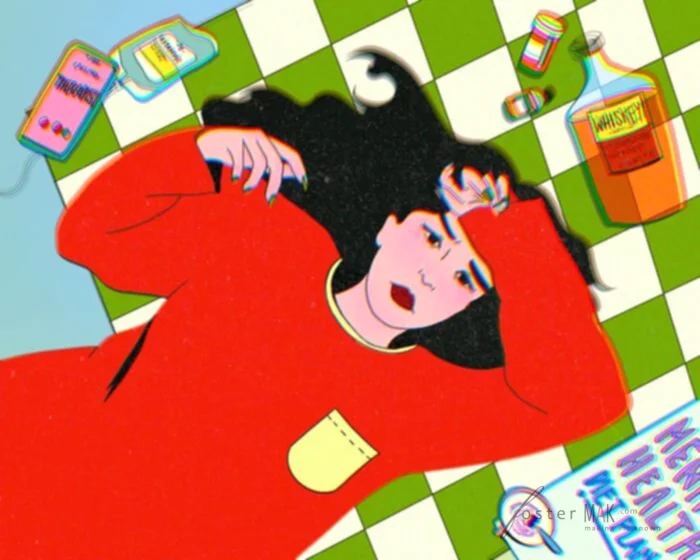
San Francisco has long been a beacon of innovation, whether in technology, culture, or healthcare. In recent years, the city has become a hub for experimental depression treatments that are breaking new ground in mental health care. As traditional methods like medication and therapy have not been effective for everyone, researchers and clinicians in San Francisco are exploring a variety of novel approaches to alleviate the burden of depression. These experimental depression treatments are offering new hope to those who have struggled to find relief through conventional means.
A City at the Forefront of Mental Health Innovation
San Francisco’s reputation as a trailblazer extends into the realm of mental health care. The city is home to some of the most prestigious research institutions, hospitals, and mental health clinics in the United States. This concentration of expertise and resources makes San Francisco an ideal location for exploring innovative treatments for depression. The local community has shown a strong commitment to addressing mental health issues, with both private and public entities investing in research and development.
The drive to innovate in this field is further fueled by the city’s diverse population, which presents a wide range of mental health needs. This demographic diversity has encouraged researchers to pursue treatments that are inclusive and effective across various backgrounds. As a result, San Francisco has become a testing ground for approaches that may soon influence mental health practices nationwide.
Ketamine Infusions: A Rapid-Acting Solution
One of the most promising experimental depression treatments being explored in San Francisco is ketamine infusion therapy. Originally used as an anesthetic, ketamine has gained attention for its rapid-acting antidepressant effects. Unlike traditional antidepressants, which can take weeks or even months to show results, ketamine infusions can alleviate depressive symptoms within hours.
Clinics across San Francisco have reported success in using ketamine to treat patients with treatment-resistant depression. Studies have shown that a single infusion can lead to significant improvements in mood, with effects lasting up to two weeks. This rapid response is particularly beneficial for patients in crisis, providing a critical window of relief that can be used to implement longer-term treatment strategies.
Despite its potential, ketamine therapy is not without challenges. The treatment requires careful medical supervision due to potential side effects and the need for repeated administration. Researchers continue to study the long-term effects of ketamine to ensure its safety and efficacy as a treatment option.
Psychedelic-Assisted Therapy: A New Frontier
San Francisco is also at the forefront of research into psychedelic-assisted therapy, which is gaining momentum as a potential treatment for depression. Substances such as psilocybin—the active compound in magic mushrooms—and MDMA are being studied for their therapeutic effects when used under controlled conditions.
Several clinical trials in the city are exploring how these psychedelics can be integrated into therapy sessions to enhance emotional processing and psychological healing. Preliminary results are encouraging, showing that these substances can lead to profound personal insights and emotional breakthroughs that help alleviate depressive symptoms.
The use of psychedelics in therapy remains a controversial topic, given their legal status and history of recreational use. However, the scientific community in San Francisco is committed to conducting rigorous research to understand the potential benefits and risks. This dedication to evidence-based practice is essential in gaining public trust and potentially changing the landscape of depression treatment.
Transcranial Magnetic Stimulation: Harnessing Technology for Mental Health
Another innovative treatment being explored in San Francisco is Transcranial Magnetic Stimulation (TMS). TMS is a non-invasive procedure that uses magnetic fields to stimulate nerve cells in the brain. It is primarily used for patients with depression who have not responded to traditional therapies.
Several clinics in the city are offering TMS as part of their treatment repertoire. Patients typically undergo a series of sessions over several weeks, during which they receive short pulses of magnetic energy aimed at specific areas of the brain associated with mood regulation. The procedure is generally well-tolerated, with minimal side effects.
Research has shown that TMS can lead to significant reductions in depressive symptoms, offering a non-pharmacological alternative to medication. The technology continues to evolve, with ongoing studies aiming to optimize treatment parameters and improve patient outcomes.
Experimental Depression Treatments: Pioneering New Paths
San Francisco’s exploration of experimental depression treatments reflects a broader shift in mental health care towards more personalized and innovative approaches. The city is not only a hub for research but also for collaboration between scientists, clinicians, and patients. This collaborative environment fosters the development of treatments that are not only effective but also tailored to the individual needs of patients.
The willingness to explore uncharted territory and invest in cutting-edge research has positioned San Francisco as a leader in the field of mental health. While challenges remain, particularly in terms of regulatory approval and public acceptance, the progress made in recent years is promising.
As these treatments continue to be refined and tested, they hold the potential to revolutionize how depression is understood and treated. The advancements taking place in San Francisco are paving the way for new possibilities in mental health care, offering hope to millions who suffer from depression worldwide.