China’s live-fire drills around Taiwan simulate port blockades
China has intensified its military maneuvers in the Taiwan Strait, conducting live-fire drills around Taiwan that have raised tensions in the region. The exercises, which simulate port blockades, are seen as a direct response to what Beijing perceives as increasing provocations by Taiwan and its allies. These drills come amid heightened geopolitical tensions and have drawn international attention to the potential for conflict in the strategically crucial area.
Military Exercises Raise Global Concerns
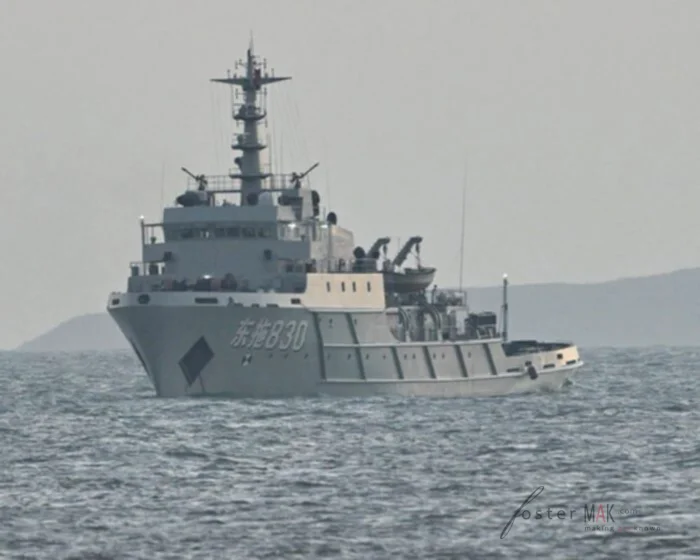
In the latest series of actions, the Chinese military has executed complex maneuvers, involving both its naval and air forces, in the waters surrounding Taiwan. The live-fire drills around Taiwan are described by Chinese state media as a show of strength, aimed at deterring any moves toward Taiwanese independence. The drills have been characterized by the Chinese government as routine exercises, yet the scale and timing suggest a deeper strategic intent.
The drills, officially announced by the People’s Liberation Army (PLA), are designed to test the readiness and capability of Chinese forces to enforce a maritime blockade if necessary. According to military analysts, these exercises are particularly concerning because they simulate scenarios that could disrupt Taiwan’s trade and supply routes, effectively isolating the island. Such maneuvers underscore the potential for an economic and military stranglehold on Taiwan, leading to international debates on the security of the Taiwan Strait.
Taiwan’s Response to the Escalating Drills
Taiwan has responded to China’s military activities by strengthening its own defenses and conducting parallel military exercises. The Taiwanese government has criticized the live-fire drills around Taiwan, labeling them as aggressive and a violation of international norms. In response to the perceived threat, Taiwan’s Ministry of National Defense has increased its surveillance and patrols, deploying its own air and naval assets to monitor the situation closely.
Taiwanese President Tsai Ing-wen has called for calm while urging the international community to support Taiwan’s sovereignty and democratic governance. The island’s leadership has reiterated its commitment to defending Taiwan’s freedom and territorial integrity, emphasizing that the government will not be intimidated by China’s military posturing.
International Reactions and Diplomatic Tensions
The live-fire drills around Taiwan have elicited a strong reaction from the international community, with several countries expressing concern over the potential for miscalculation and escalation. The United States, a key ally of Taiwan, has reiterated its commitment to maintaining peace and stability in the Indo-Pacific region. U.S. officials have called for restraint on both sides, emphasizing the importance of dialogue to resolve differences.
Meanwhile, Japan and Australia have also voiced their concerns, advocating for a peaceful resolution to the tensions in the Taiwan Strait. These nations, along with several European countries, have underscored the importance of upholding international law and ensuring that the Taiwan Strait remains open and free for navigation.
Strategic Implications of the Drills
The live-fire drills around Taiwan are part of a broader strategy by China to assert its influence in the region and challenge U.S. presence in the Indo-Pacific. By demonstrating its military capabilities, China seeks to send a message to both Taiwan and its allies that it is prepared to take decisive action if its territorial claims are challenged.
Military experts suggest that these drills may also be aimed at testing the response of the U.S. and its partners, gauging their willingness to intervene in the event of a conflict. This strategic signaling is vital for China as it seeks to reshape the regional balance of power in its favor.
Economic and Trade Implications
The potential for conflict in the Taiwan Strait poses significant risks to global trade, given that a substantial percentage of the world’s shipping passes through these waters. The live-fire drills around Taiwan have already led to concerns about disruptions in maritime traffic and the security of critical supply chains.
Taiwan is a major player in the global technology industry, particularly in semiconductor manufacturing. Any blockade or military conflict could have dire consequences for the global economy, affecting supply chains and leading to shortages of key technological components.
Live-Fire Drills Around Taiwan: A Focus on Regional Security
The live-fire drills around Taiwan underscore the fragility of regional security and the complexities of cross-strait relations. As China continues to assert its claims over Taiwan, the risk of military confrontation looms large. The international community faces the challenge of balancing support for Taiwan with efforts to engage China in dialogue to prevent escalation.
Efforts to reduce tensions through diplomatic channels are crucial, with calls for dialogues between China, Taiwan, and other stakeholders gaining urgency. The situation requires careful navigation to avoid unintended consequences that could destabilize the region.
Conclusion: The Path Forward
As the live-fire drills around Taiwan continue, the path forward remains uncertain. The exercises highlight the ongoing geopolitical tensions and the delicate balance of power in the region. While the international community remains watchful, the potential for conflict underscores the need for continued diplomatic engagement and a commitment to preserving peace in the Taiwan Strait.