
Congress Deadline Missed Epstein Files Remain Hidden from Public
In a move that has sent ripples across the political and public spheres, the deadline for the release of the Jeffrey Epstein files has come and gone without the anticipated disclosure. Despite promises of transparency and accountability, the Epstein files still remain unreleased, leaving many questions unanswered and fueling public speculation about the contents and implications of these documents. These files, which are believed to contain significant information regarding Epstein’s connections and alleged criminal activities, were expected to be made public in accordance with congressional demands. However, the lack of action has prompted concern and criticism from various quarters.
Mounting Pressure and Unmet Promises
The demand for the release of the Epstein files has been a topic of considerable discussion and pressure for months. In the wake of Epstein’s arrest and subsequent death, there has been a growing call for transparency from both lawmakers and the public. The files reportedly contain a plethora of information, including names of prominent individuals associated with Epstein, details of his financial dealings, and potentially incriminating evidence related to his alleged crimes. With the files still unreleased, the public’s trust in governmental transparency and accountability continues to erode.
Congressional Committees at the Helm
Several congressional committees have been at the forefront of the push to unseal the Epstein files. These committees, tasked with oversight and investigation, have been vocal about the necessity of releasing the documents to ensure justice and public knowledge. Key members of Congress have repeatedly emphasized the importance of full disclosure, arguing that without transparency, the public remains in the dark about the extent of Epstein’s alleged network and activities. The deadline for the files’ release was set by these committees in an effort to hasten the process and provide the public with the information they have long demanded.
Legal Hurdles and Confidentiality Concerns
The delay in releasing the Epstein files is attributed in part to legal hurdles and confidentiality concerns. Legal experts have pointed out that the files contain sensitive information that could impact ongoing investigations or infringe upon the privacy rights of individuals named within the documents. These legal complexities have been cited as reasons for the cautious approach taken by authorities. However, critics argue that these concerns should not overshadow the imperative for transparency and accountability, especially given the public interest in the case.
Balancing Transparency with Legal Obligations
The challenge of balancing transparency with legal obligations is a recurring theme in the ongoing saga of the Epstein files. Authorities have expressed their commitment to ensuring that any release of information complies with legal standards and does not compromise active investigations. Nonetheless, the delay has led to growing frustration among those who believe that the public has a right to know the full scope of Epstein’s operations and associations. The debate over how to navigate these legal obstacles while fulfilling the promise of transparency continues to be a contentious issue.
Epstein Files Still Unreleased and the Public Outcry
The Epstein files still unreleased have sparked a significant public outcry as individuals and advocacy groups demand answers and accountability. Social media platforms and public forums are abuzz with discussions and theories about what the files might contain and why they remain hidden. The lack of disclosure has only intensified public interest and speculation, with many fearing that powerful individuals could be shielded from scrutiny due to their potential connections to Epstein.
Advocacy Groups Demand Action
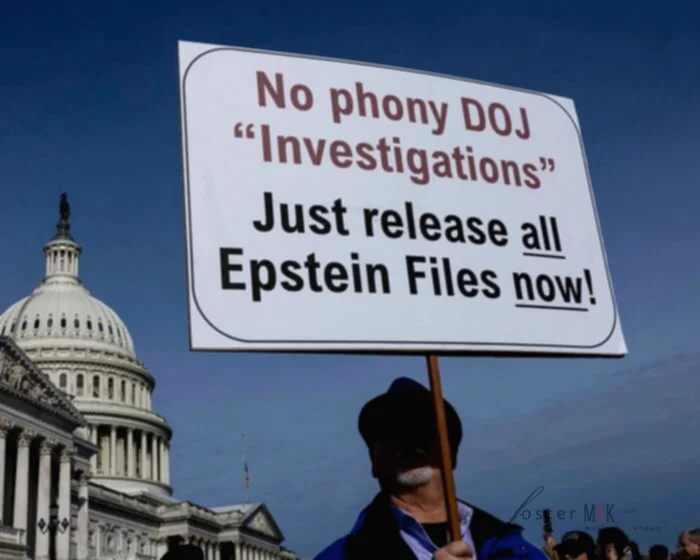
Various advocacy groups have been vocal in their demand for the release of the Epstein files, arguing that transparency is crucial for justice and accountability. These groups have organized rallies and petitions, urging lawmakers and authorities to expedite the process and honor their commitment to the public. The advocacy efforts are driven by the belief that the files hold key information that could shed light on the extent of Epstein’s criminal activities and the individuals who may have been complicit.
Political Implications and Reactions
The political implications of the unreleased Epstein files are significant, with reactions spanning the political spectrum. Lawmakers from both parties have expressed their disappointment and concern over the missed deadline, highlighting the need for a transparent and accountable government. The situation has also become a point of contention in political debates, with some using it to criticize opponents or push for reforms in transparency and oversight measures.
Congressional Leaders Weigh In
Congressional leaders have not shied away from expressing their frustration over the continued secrecy surrounding the Epstein files. Many have reiterated their commitment to pursuing the truth and ensuring that justice is served, regardless of the individuals involved. Some leaders have called for additional hearings and investigations to probe the reasons behind the delay and to hold accountable those responsible for withholding the information from the public.
Media Scrutiny Intensifies
The media’s role in scrutinizing the situation has been pivotal, as journalists and news outlets continue to investigate and report on developments related to the Epstein files. The media has played a crucial role in keeping the public informed and in holding authorities accountable for their promises of transparency. Investigative reports and analyses have delved into potential reasons for the delay, the legal considerations at play, and the broader implications for public trust in government institutions.
Investigative Journalism Uncovers New Details
In the absence of the official release of the Epstein files, investigative journalists have been working tirelessly to uncover new details and provide insights into the ongoing saga. These efforts have yielded some revelations about Epstein’s network and operations, though much remains hidden. The dedication of journalists to uncovering the truth underscores the importance of a free press in upholding transparency and accountability.
The Path Forward for Epstein Files Disclosure
As the call for the Epstein files’ release grows louder, the path forward remains uncertain. While authorities have yet to provide a clear timeline for when the files might be made public, the pressure from lawmakers, advocacy groups, and the public continues to mount. The situation underscores the broader challenges of ensuring transparency in high-profile cases and the ongoing struggle to balance legal obligations with the public’s right to know.
Ongoing Efforts to Secure Release
Efforts to secure the release of the Epstein files are ongoing, with various stakeholders continuing to push for transparency. Congressional committees are reportedly exploring additional avenues to compel the disclosure of the files, while advocacy groups maintain their campaigns to keep the issue in the public eye. As these efforts progress, the spotlight remains firmly on the authorities responsible for releasing the files and the broader implications for justice and accountability in the Epstein case.