
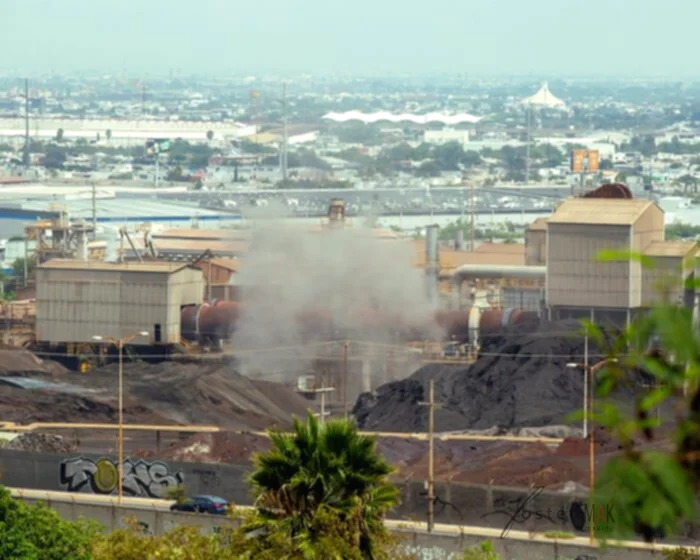
Mexico combats pollution New measures after revealing reports
In a bid to address escalating environmental concerns, Mexico combats pollution after investigations revealed alarming levels of contamination in several major cities. Recent reports have shed light on the severity of the air, water, and land pollution that threatens the health and well-being of millions of citizens. These findings have prompted the Mexican government to introduce a series of robust measures aimed at mitigating the environmental crisis and enhancing the quality of life for its populace.
Investigative Reports Uncover Alarming Pollution Levels
A comprehensive investigation conducted by both national and international agencies has unveiled the extent of pollution plaguing Mexico. The reports highlighted significant issues across various environmental sectors, painting a grim picture of the country’s ecological health. In Mexico City, for instance, air quality indices have frequently surpassed safe levels, posing severe risks to respiratory health. Similarly, the country’s waterways, including the iconic Rio Grande, suffer from industrial pollutants and untreated wastewater, prompting widespread concern about water safety.
The land is not immune to these challenges either. Urban areas across the nation are grappling with mounting waste management problems, exacerbated by inadequate infrastructure and poor recycling practices. These revelations have spurred environmental groups and citizens to call for immediate government intervention, emphasizing the urgent need to address pollution at its source.
Government Initiatives Aim to Tackle Pollution
In response to the findings, the Mexican government has launched a comprehensive plan to combat pollution across the nation. The newly introduced measures are designed to target the root causes of pollution, with a focus on reducing emissions, improving waste management, and safeguarding natural resources. The government has set ambitious targets to curb air pollution by tightening industrial emissions standards and promoting cleaner transportation alternatives.
Efforts to enhance water quality have also been prioritized, with investments directed toward upgrading wastewater treatment facilities and enforcing stricter regulations on industrial discharge. Moreover, the government is actively promoting community-led initiatives that encourage sustainable practices, such as rainwater harvesting and responsible waste disposal.
Mexico Combats Pollution After Investigations Lead to Legal Action
The revelations from recent investigations have not only prompted policy changes but also led to legal action against entities found to be in violation of environmental regulations. Mexican authorities have intensified their scrutiny of industrial operations, conducting regular inspections and imposing hefty fines on companies that fail to comply with environmental standards. This crackdown serves as a warning to businesses and underscores the government’s commitment to enforcing environmental laws.
Legal experts have noted that these actions signal a significant shift in the country’s approach to environmental protection, with authorities now exhibiting zero tolerance for pollution-related offenses. This development is expected to deter potential violators and encourage greater corporate responsibility in environmental matters.
Community Involvement and Grassroots Movements
Public awareness and involvement have played a crucial role in Mexico’s fight against pollution. Grassroots movements and environmental advocacy groups have been instrumental in raising awareness about the impacts of pollution and advocating for change. These organizations have mobilized communities to participate in clean-up drives, tree-planting activities, and educational campaigns aimed at promoting sustainable lifestyles.
The increased public engagement has also put pressure on local governments to prioritize environmental issues and allocate resources toward pollution control initiatives. Community-driven efforts are seen as vital components of the national strategy to combat pollution, as they empower citizens to take an active role in protecting their environment.
Collaborative Efforts with International Partners
Recognizing the global nature of environmental challenges, Mexico has sought collaboration with international partners to bolster its pollution control efforts. The country has engaged with organizations such as the United Nations Environment Programme and the World Health Organization to exchange knowledge, share best practices, and access technical support.
These collaborations have facilitated the implementation of cutting-edge technologies and innovative solutions to address pollution. For instance, Mexico has partnered with foreign experts to develop air quality monitoring systems that provide real-time data, enabling authorities to make informed decisions and respond swiftly to pollution incidents.
Economic Implications and Opportunities
While the environmental measures introduced by the Mexican government are primarily aimed at reducing pollution, they also present significant economic opportunities. The shift towards cleaner technologies and sustainable practices has the potential to stimulate economic growth by creating jobs in green industries and attracting investment in renewable energy projects.
Moreover, improving environmental conditions can enhance Mexico’s attractiveness as a tourist destination, boosting the hospitality sector and generating revenue. As the country works to balance economic development with environmental sustainability, there is a growing recognition of the interconnectedness between a healthy environment and a prosperous economy.
Challenges and the Road Ahead
Despite the progress made, Mexico faces several challenges in its ongoing battle against pollution. The scale of the issue requires sustained efforts and coordination across various sectors, from government agencies to private enterprises and civil society. Ensuring compliance with environmental regulations remains a daunting task, particularly in regions with limited resources and infrastructure.
Furthermore, the success of pollution control initiatives hinges on continued public engagement and a cultural shift towards sustainable consumption patterns. Educating the populace about the importance of environmental stewardship and fostering a sense of collective responsibility are essential for achieving long-term results.
In conclusion, as Mexico combats pollution after investigations, the country stands at a critical juncture in its environmental journey. The initiatives and measures implemented in response to recent findings demonstrate a strong commitment to preserving the nation’s natural resources and safeguarding public health. By addressing the root causes of pollution and fostering collaboration at all levels, Mexico is paving the way for a cleaner and more sustainable future.