Labours Bold Stand on Climate for Tomorrows Vote
The Labour Party’s approach to dealing with the pressing issues of the climate crisis has been a topic of significant debate and discussion leading up to tomorrow’s pivotal vote. The Labour and Climate Crisis strategy is viewed as a comprehensive plan that aims to address environmental challenges while ensuring economic stability and job creation. With this strategic blueprint, Labour seeks to position itself as the leading political force capable of navigating the complex intersection of environmental sustainability and economic growth.
Labour’s Climate Agenda Unveiled
In recent weeks, the Labour Party has unveiled an ambitious climate agenda that promises to transform the UK’s approach to environmental issues. Spearheaded by key figures within the party, the plan is rooted in the principles of sustainability and economic resilience. The policies outlined in the agenda include a commitment to achieving net-zero carbon emissions by 2050, a target that aligns with global efforts to combat climate change.
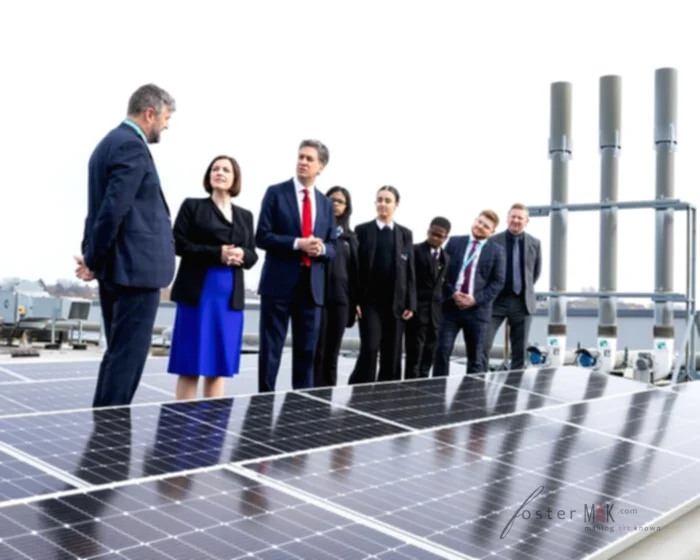
Labour’s climate agenda is comprehensive, tackling areas such as renewable energy, green infrastructure, and sustainable transportation. The party has pledged to invest heavily in wind and solar energy projects, aiming to make the UK a leader in clean energy production. Furthermore, they intend to upgrade public transportation systems to reduce carbon emissions and promote electric vehicle usage across the nation.
Economic Implications of Labour’s Climate Policies
As the Labour Party pushes forward with its climate agenda, questions arise regarding the potential economic implications of these policies. Critics argue that the transition to a greener economy could lead to job losses in traditional industries such as coal and oil. However, Labour counters this narrative by emphasizing the job-creation potential inherent in green technologies and renewable energy sectors.
The Labour Party has laid out plans to create thousands of new jobs in renewable energy, construction, and technology fields. By investing in green infrastructure projects, they aim to stimulate economic growth and provide employment opportunities for those displaced by the transition away from fossil fuels. The party’s leaders argue that a robust green economy can coexist with economic prosperity, creating a sustainable future for all.
The Labour and Climate Crisis Strategy
Central to Labour’s approach is the Labour and Climate Crisis strategy, which underscores the party’s commitment to tackling environmental challenges head-on. This strategy involves a multi-pronged approach that integrates climate policy with social and economic considerations.
Labour’s plan includes measures to ensure that the transition to a green economy is equitable and inclusive. The party has proposed initiatives to support workers in transitioning industries, offering retraining programs and financial assistance to help them adapt to new roles in the green economy. Additionally, Labour’s climate strategy focuses on addressing energy poverty, ensuring that all citizens have access to affordable and sustainable energy sources.
Political Reactions and Public Opinion
The unveiling of Labour’s climate agenda has sparked a range of reactions from political leaders and the public. While some praise the party’s bold vision for a sustainable future, others remain skeptical of the feasibility of such an ambitious plan. The Conservative Party has criticized Labour’s climate policies as being overly ambitious and potentially damaging to the economy.
Public opinion, however, appears to be largely in favor of decisive action on climate change. Recent polls suggest that a significant portion of the UK population supports measures to address the climate crisis, even if it requires short-term economic adjustments. Many citizens see the Labour Party’s climate agenda as a necessary step towards securing a livable planet for future generations.
Challenges and Opportunities Ahead
As Labour prepares for tomorrow’s vote, the party faces several challenges in implementing its climate agenda. One of the primary obstacles is the need for bipartisan support to pass key legislative measures. Securing cooperation from opposition parties and stakeholders will be crucial in advancing the proposed policies.
Despite these challenges, Labour sees significant opportunities in leading the charge on climate action. By positioning itself as a pioneer in sustainable development, the party hopes to attract international investment and collaboration. The global community is increasingly focused on environmental issues, and Labour aims to place the UK at the forefront of this movement.
Labour’s Commitment to Green Innovation
A critical component of Labour’s climate strategy is its commitment to fostering green innovation and technology development. The party emphasizes the importance of research and development in driving sustainable advancements. By investing in cutting-edge technologies, Labour seeks to pave the way for a future powered by clean energy and efficient resource management.
Labour plans to create innovation hubs and research centers dedicated to exploring new solutions for environmental challenges. These initiatives aim to bring together experts from various fields to collaborate on developing groundbreaking technologies that can reduce carbon footprints and mitigate the impacts of climate change.
Community Engagement and Grassroots Support
Labour’s climate agenda is not solely focused on high-level policy changes. The party recognizes the importance of community engagement and grassroots support in driving meaningful change. Labour leaders have embarked on a nationwide campaign to raise awareness about the climate crisis and the party’s proposed solutions.
Through town hall meetings, public forums, and social media campaigns, Labour is actively engaging with citizens to gather feedback and build support for its climate policies. This approach aims to empower individuals to take action within their communities and contribute to the broader effort to combat climate change.
Labour and Climate Crisis: A Vision for the Future
At the heart of Labour’s climate agenda is a vision for a sustainable and equitable future. The Labour and Climate Crisis strategy represents a comprehensive approach that seeks to balance environmental stewardship with economic prosperity. By addressing the root causes of climate change and prioritizing social equity, Labour aims to create a resilient society that can thrive in the face of environmental challenges.
With tomorrow’s vote looming, the Labour Party stands at a crossroads. The outcome will determine the direction of the UK’s climate policies and set the stage for future environmental initiatives. As the nation watches closely, Labour’s bold stand on climate promises to shape the political landscape and influence the global conversation on sustainability.