
Discover Londons Queen Elizabeth II Garden, a New Wildlife Sanctu
A new gem has emerged in the heart of London, offering a refreshing escape from the bustling cityscape. The Queen Elizabeth II garden, recently inaugurated by city officials, is rapidly gaining recognition as a haven for wildlife, nature enthusiasts, and city dwellers alike. This verdant sanctuary, named in honor of the late monarch, is poised to become one of the city’s most cherished green spaces.
A Tribute to a Beloved Monarch
The decision to establish the Queen Elizabeth II garden was driven by a desire to commemorate the legacy of a monarch deeply loved by her people. The garden serves as both a tribute to her environmental advocacy and a gift to future generations. Spread across several acres, the garden is meticulously designed to reflect the Queen’s passion for nature and wildlife conservation. The garden is not merely a collection of plants but a carefully curated ecosystem that supports a wide array of flora and fauna.
The project, spearheaded by the Royal Parks and several environmental organizations, aims to promote biodiversity while providing educational opportunities for visitors. The garden’s planners have worked diligently to ensure that it serves as a living classroom, where visitors can learn about the importance of preserving natural habitats. This initiative underscores the Queen’s enduring commitment to the environment, a cause she championed throughout her reign.
Exploring the Biodiverse Richness
The Queen Elizabeth II garden is a tapestry of diverse ecosystems, each carefully designed to support a variety of wildlife. The garden’s layout includes native woodlands, meadows, and wetlands, each offering unique habitats for different species. Visitors to the garden will find themselves immersed in a vibrant world where every corner offers a new discovery.
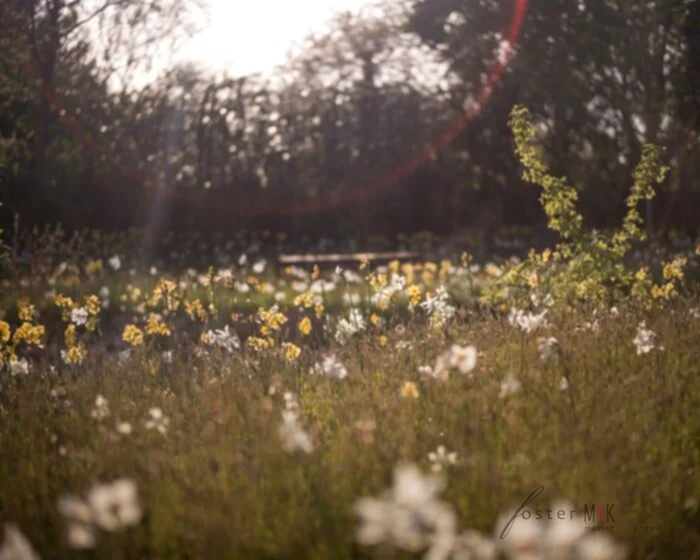
The woodlands, made up of native trees like oak and ash, provide shelter and food for birds and small mammals. Birdwatchers will be delighted by the sight of rare species that have found a home within these trees. The meadows, meanwhile, are a riot of color during the spring and summer months, attracting pollinators such as bees and butterflies. The wetland areas, fed by a series of natural ponds and streams, are home to amphibians and waterfowl, creating a dynamic ecosystem that changes with the seasons.
The Queen Elizabeth II Garden: A Sanctuary for Urban Wildlife
Among the most remarkable aspects of the Queen Elizabeth II garden is its role as a sanctuary for urban wildlife. In a city as densely populated as London, green spaces are crucial for the survival of many species. The garden provides a refuge where wildlife can thrive away from the pressures of urban life.
Efforts have been made to ensure that the garden meets the needs of a wide range of species. Birdhouses, bat boxes, and insect hotels have been strategically placed throughout the garden to encourage habitation. These installations are not only functional but also serve as educational tools, highlighting the importance of creating spaces for wildlife in urban areas. The garden’s design encourages visitors to consider how they can contribute to wildlife conservation in their own communities.
Educational Opportunities Abound
One of the key objectives of the Queen Elizabeth II garden is to offer educational opportunities to visitors of all ages. The garden has partnered with local schools and community groups to provide a range of programs designed to engage and inspire. These programs aim to foster a deeper understanding of environmental issues and the role individuals can play in conservation efforts.
Guided tours and workshops are available, covering topics such as plant identification, wildlife tracking, and sustainable gardening practices. The garden also hosts seasonal events and festivals, celebrating the natural world and encouraging visitors to connect with their environment. Educational signage throughout the garden provides insights into the various species and ecosystems on display, making each visit a learning experience.
Community Involvement and Volunteerism
Community involvement has been a cornerstone of the Queen Elizabeth II garden project. From its inception, local residents have been encouraged to participate in the garden’s development and maintenance. Volunteer opportunities abound, allowing individuals to contribute to the garden’s upkeep and engage with conservation efforts firsthand.
The volunteer program offers a chance for participants to learn new skills while making a tangible difference in the community. Activities range from planting and pruning to conducting wildlife surveys and monitoring environmental conditions. These efforts are supported by a dedicated team of horticulturalists and ecologists, ensuring that volunteers receive the guidance and training necessary to make a meaningful impact.
Future Plans for Expansion
The success of the Queen Elizabeth II garden has prompted discussions about future expansion plans. City officials and environmental organizations are exploring opportunities to extend the garden’s reach, potentially incorporating additional green spaces and connecting with other parks throughout London. This vision aligns with broader efforts to create a network of green corridors, enhancing biodiversity and providing more recreational opportunities for residents.
Plans for expansion include the introduction of new plant species, the development of additional habitats for wildlife, and the enhancement of educational facilities. These initiatives aim to build on the garden’s success, ensuring that it continues to serve as a vital resource for the community and a model for urban conservation.
Celebrating the Legacy of Queen Elizabeth II
The Queen Elizabeth II garden stands as a testament to the enduring legacy of a monarch who devoted her life to service and stewardship of the natural world. It is a place of beauty and tranquility where visitors can reflect on the importance of preserving the environment for future generations. Through its diverse ecosystems and educational programs, the garden embodies the Queen’s vision of a world where people and nature coexist harmoniously.