
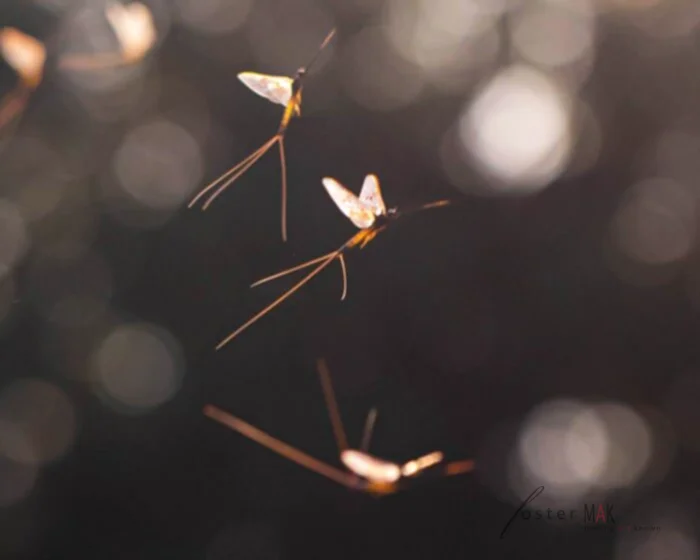
Discover the Ancient Mystery of the Mayfly’s Dance Moves
The delicate flutter of mayflies is a sight that enchants both scientists and nature enthusiasts alike. Known for their ephemeral lives and synchronized movements, these tiny insects hold a captivating secret within their dance. The mayfly’s dance secret has piqued the curiosity of researchers who are eager to unravel the mysteries behind their rhythmic aerial displays. This article delves into the fascinating world of mayflies, exploring the ancient origins and biological significance of their intricate dances.
An Age-Old Spectacle: The Dance of the Mayflies
Every year, millions of mayflies emerge from bodies of water, engaging in a mesmerizing aerial ballet that has been performed for millennia. This natural phenomenon occurs in various regions across the globe, with each species exhibiting unique dance patterns that are essential to their life cycle and reproduction. The mayfly’s dance, often taking place at twilight, is a breathtaking spectacle of nature that has inspired poets, artists, and scientists throughout history.
The mayfly’s lifecycle is remarkably brief, with adult mayflies living for just a few hours to a few days. During this fleeting period, their primary objective is to reproduce. The dance is a crucial part of their mating ritual, where males and females engage in intricate flight patterns to find a suitable mate. This ancient practice is not just a random display of aerial acrobatics but a complex, biologically driven behavior that ensures the continuation of the species.
Unraveling the Mayfly’s Dance Secret
Recent studies have shed light on the mayfly’s dance secret, revealing insights into the underlying mechanisms that govern their synchronized movements. Researchers have discovered that the dance is influenced by a combination of environmental cues and innate biological rhythms. The position of the sun, temperature, and humidity all play pivotal roles in triggering the mass emergence and subsequent dance of the mayflies.
The dance itself is a well-coordinated affair, with mayflies using visual and chemical signals to communicate with each other. Male mayflies often form swarms, flying up and down in a distinct pattern, while females fly into the swarm to choose a mate. This behavior, known as
lekking,
is a method of sexual selection where females assess the fitness of potential partners based on their dance performance.
The Role of Evolution and Adaptation
Understanding the mayfly’s dance secret also involves examining the evolutionary pressures that have shaped these behaviors. The synchronization of their emergence and dance is believed to be an evolutionary adaptation that maximizes reproductive success while minimizing predation risks. By emerging en masse, mayflies overwhelm predators with sheer numbers, increasing the likelihood that enough individuals will survive to reproduce.
Moreover, the timing of their emergence is finely tuned to align with environmental conditions that favor their survival. This precise timing is controlled by a combination of genetic factors and environmental triggers, highlighting the intricate relationship between mayflies and their ecosystems. The synchronization not only facilitates mating but also ensures that their offspring have access to optimal resources for growth and development.
The Ecological Significance of Mayfly Dances
The mayfly’s dance is not just an isolated spectacle but a vital component of aquatic ecosystems. These insects play a crucial role in nutrient cycling and energy transfer within their habitats. As both aquatic nymphs and adult flies, they serve as a food source for a wide range of predators, including birds, fish, and amphibians. The mass emergence of mayflies provides a seasonal feast for these creatures, supporting the biodiversity and stability of the ecosystems they inhabit.
Furthermore, mayflies are considered bioindicators, meaning their presence and abundance can provide valuable information about the health of freshwater environments. Changes in mayfly populations can signal alterations in water quality and ecosystem dynamics, making them important sentinels for environmental monitoring and conservation efforts.
Challenges and Conservation Efforts
Despite their ecological importance, mayflies face numerous challenges that threaten their survival. Human activities, such as pollution, habitat destruction, and climate change, have led to declines in mayfly populations in certain regions. These threats disrupt the delicate balance of their ecosystems and have the potential to impact the intricate dance rituals that are integral to their life cycle.
Conservation efforts are underway to protect mayfly habitats and ensure the preservation of their populations. Researchers and environmental organizations are working to identify critical threats and implement strategies to mitigate their impact. Restoring and preserving clean, unpolluted waterways is essential for maintaining healthy mayfly populations and the ecosystems that depend on them.
Discovering New Insights into the Mayfly’s Dance Secret
Advancements in technology and research methodologies continue to provide new insights into the mayfly’s dance secret. High-speed cameras and motion analysis software allow scientists to capture and study the intricate details of mayfly flight patterns. Genetic studies are uncovering the molecular mechanisms that regulate their emergence and behavior. These discoveries not only deepen our understanding of mayflies but also contribute to broader ecological and evolutionary studies.
The study of mayflies offers a window into the complexities of life and the interconnectedness of nature. Each dance tells a story of survival, adaptation, and the relentless drive to reproduce in the face of adversity. As researchers unravel the mysteries behind the mayfly’s dance, they uncover not only the secrets of these ancient insects but also the wonders of the natural world that continue to inspire awe and curiosity.