
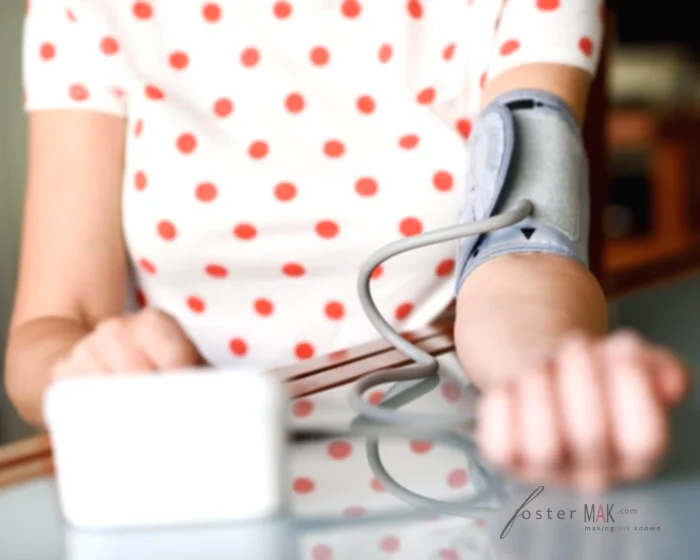
Home Blood Pressure Checks Slash Post-Pregnancy Risks
In a groundbreaking development for maternal health, recent studies have shown that home blood pressure checks can significantly reduce post-pregnancy complications. This innovative approach empowers new mothers to monitor their health more effectively and could potentially save thousands of lives each year. With postpartum hypertension being a leading cause of maternal morbidity and mortality, this simple yet effective method of monitoring blood pressure at home offers a promising solution to a pressing issue.
The Rising Concern of Postpartum Hypertension
Postpartum hypertension is a condition that affects many new mothers and can lead to severe complications if not managed properly. It is characterized by elevated blood pressure levels that can result in life-threatening situations such as stroke, heart attack, and organ failure. Traditionally, postpartum care has often focused on the immediate recovery of the mother and the health of the newborn. However, the period following childbirth is critical for the mother’s health as well.
Healthcare professionals have long emphasized the importance of regular check-ups during pregnancy, but the postpartum period has not received the same level of attention. As a result, many women are discharged from hospitals without a clear plan for monitoring their blood pressure. This gap in care can lead to undiagnosed and untreated hypertension, with serious consequences for the mother’s health.
The Role of Home Blood Pressure Checks
Home blood pressure checks offer a practical solution to the challenge of monitoring postpartum hypertension. With the increasing availability of affordable and user-friendly blood pressure monitors, new mothers can now take charge of their health from the comfort of their homes. By regularly checking their blood pressure, they can detect any abnormalities early and seek medical intervention promptly.
Healthcare providers are increasingly recommending home blood pressure checks as part of a comprehensive postpartum care plan. By incorporating this practice into their routine, women can gain valuable insights into their health and make informed decisions about their care. This proactive approach not only helps in identifying hypertension early but also empowers women to take control of their well-being during a vulnerable period.
How Home Monitoring Empowers New Mothers
The empowerment of new mothers through home blood pressure checks cannot be overstated. By taking control of their health monitoring, women can feel more confident and less anxious about their postpartum recovery. This empowerment extends beyond the physical health benefits and positively impacts mental health as well.
Many women report feeling a sense of reassurance and peace of mind by having the ability to monitor their blood pressure at home. This autonomy allows them to be active participants in their healthcare and reduces the stress associated with frequent hospital visits. Moreover, by identifying potential issues early, mothers can avoid emergency situations that could disrupt their family life and bonding with their newborn.
Success Stories Highlighting the Impact
There are numerous success stories from women who have embraced home blood pressure checks as part of their postpartum care. One such case involves Sarah, a mother of two, who experienced severe hypertension during her first pregnancy. After giving birth to her second child, Sarah was determined to monitor her health more closely. She began using a home blood pressure monitor and discovered elevated readings early on. This allowed her to seek medical advice quickly, leading to a successful management plan that prevented any serious complications.
Sarah’s story is not unique. Many women have shared similar experiences of how home monitoring has helped them detect and manage hypertension effectively. These stories highlight the potential of home blood pressure checks to transform postpartum care and improve outcomes for countless mothers.
Integration into Healthcare Systems
The integration of home blood pressure checks into healthcare systems is a crucial step towards improving postpartum care. Healthcare providers are recognizing the value of this approach and are working to incorporate it into standard care practices. Some hospitals and clinics have already begun providing new mothers with blood pressure monitors upon discharge and offering guidance on how to use them effectively.
By integrating home monitoring into postpartum care plans, healthcare providers can ensure that women receive continuous support and follow-up after childbirth. This integration not only helps in early detection and management of hypertension but also fosters a culture of proactive healthcare among new mothers.
Future Prospects for Postpartum Health
The widespread adoption of home blood pressure checks marks a significant advancement in postpartum care. As more women become aware of the benefits of home monitoring, the potential for reducing maternal morbidity and mortality increases. This approach also opens the door for other innovations in maternal health, encouraging further research and development in this critical area.
Healthcare professionals and policymakers are optimistic about the future prospects of home monitoring in improving postpartum health outcomes. By continuing to raise awareness and provide resources for new mothers, there is hope for a future where complications from postpartum hypertension are significantly reduced.
Training and Support for New Mothers
To maximize the benefits of home blood pressure checks, it is essential to provide new mothers with adequate training and support. Ensuring that women understand how to use the monitors correctly and interpret the results is key to effective monitoring. Healthcare providers play a vital role in offering education and resources to help mothers navigate this new aspect of their postpartum care.
Workshops, online tutorials, and one-on-one consultations can be invaluable in equipping women with the knowledge and confidence to monitor their blood pressure at home. By investing in training and support, healthcare systems can enhance the effectiveness of home monitoring and empower mothers to take charge of their health.
Overcoming Challenges in Implementation
While the benefits of home blood pressure checks are clear, there are challenges to overcome in implementing this practice on a wide scale. Access to affordable and reliable blood pressure monitors is one such challenge. Efforts must be made to ensure that all women, regardless of socioeconomic status, have access to these essential tools.
Additionally, cultural and educational barriers may impact the adoption of home monitoring. Some women may be hesitant to rely on technology for health monitoring or may lack the confidence to use the devices correctly. Addressing these barriers through targeted education and outreach is crucial for the successful implementation of home blood pressure checks.
Conclusion: Embracing Change for Better Outcomes
The introduction of home blood pressure checks as a standard practice in postpartum care represents a significant shift in maternal health management. By empowering women to monitor their health at home, this approach has the potential to transform the postpartum experience and reduce complications from hypertension. As healthcare systems continue to embrace this change, the prospects for improved maternal health outcomes are promising.