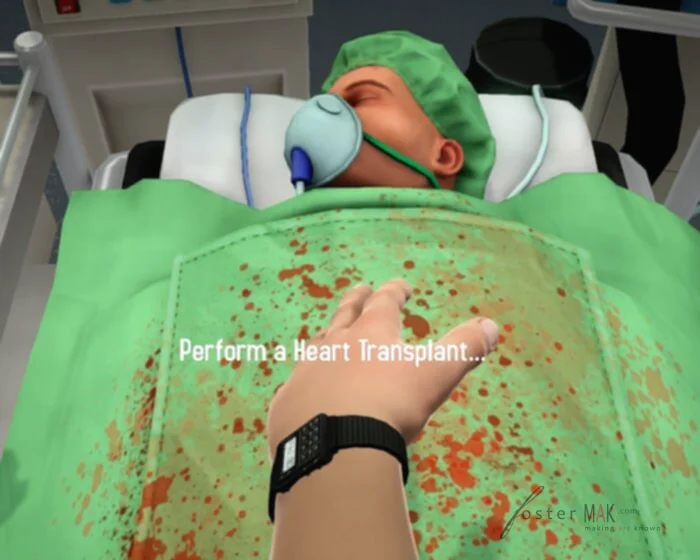
Discover Eight Medical Video Games That Heal and Entertain
In recent years, the intersection of healthcare and technology has given rise to an innovative subfield known as medical video games. This burgeoning area combines the entertainment value of gaming with therapeutic goals, aiming to improve health outcomes and provide valuable education about various medical conditions. As these games continue to gain traction, they are not only entertaining players but also offering new avenues for treatment and learning.
A New Frontier in Healthcare: Medical Video Games
Medical video games are designed with specific purposes in mind, ranging from rehabilitation to education. Unlike traditional video games, these are crafted to address health-related issues, providing both patients and healthcare professionals with engaging tools that can facilitate treatment and learning. As the gaming industry evolves, these medical applications are increasingly being recognized for their potential to transform the healthcare landscape.
The Benefits of Gaming in Medical Contexts
The appeal of medical video games lies in their ability to engage users in a way that traditional medical treatments often cannot. By incorporating gameplay mechanics into rehabilitation or educational programs, these games can motivate patients to adhere to their treatment plans. Moreover, they can help reduce anxiety and provide a sense of accomplishment, which is particularly beneficial for patients with chronic conditions or those recovering from surgery.
A Closer Look at Eight Noteworthy Titles
The following games have been carefully selected for their innovative approaches and significant impact on the field of medical video games. Each title demonstrates the unique ways in which gaming can be harnessed for health-related purposes.
Re-Mission: Battling Cancer with Gameplay
Developed by HopeLab, Re-Mission is a groundbreaking game designed to assist young cancer patients. The game takes players on a journey through the human body, where they combat cancer cells using various weapons. By giving players control over their in-game environment, Re-Mission empowers them to understand their disease better and adhere to their treatment regimens. Studies have shown that players of Re-Mission have improved adherence to chemotherapy protocols and an enhanced understanding of their condition.
EndeavorRx: The First Prescription Video Game
EndeavorRx, created by Akili Interactive, made history as the first video game to receive FDA approval as a treatment for attention-deficit/hyperactivity disorder (ADHD) in children. The game is designed to improve cognitive functions by challenging players with tasks that require focus and multitasking. Clinical trials have demonstrated that children who played EndeavorRx showed significant improvements in attention span, making it a revolutionary tool in ADHD management.
Sea Hero Quest: Navigating Dementia Research
Sea Hero Quest is not just a game; it is a global research project aimed at understanding dementia. Developed by Deutsche Telekom in collaboration with leading neuroscientists, it tasks players with navigating mazes and remembering routes. The data collected from millions of players around the world has provided invaluable insights into spatial navigation and cognitive function, contributing to dementia research in unprecedented ways.
SuperBetter: Building Resilience and Well-being
SuperBetter, created by game designer Jane McGonigal, is a game that aims to increase resilience and improve mental health. It uses the framework of a quest to help players tackle real-life challenges. Players set personal goals and complete tasks to build emotional strength and resilience. Research has shown that playing SuperBetter can lead to improvements in mental health, including reductions in anxiety and depression.
SnowWorld: A New Approach to Pain Management
SnowWorld is an immersive virtual reality game developed to assist burn victims in managing pain. Patients are transported to a snowy, serene environment where they can throw snowballs and explore icy landscapes. The game effectively distracts patients from their pain, reducing the need for narcotics during painful procedures. Studies have confirmed that SnowWorld can significantly lower pain perception, offering a non-pharmacological option for pain management.
NeuroRacer: Enhancing Cognitive Abilities in the Elderly
Developed by neuroscientists at the University of California, San Francisco, NeuroRacer is a game designed to improve cognitive control in older adults. Players navigate a car while simultaneously responding to road signs, a task that challenges multitasking abilities. Research has demonstrated that older adults who played NeuroRacer showed improvements in cognitive functions, such as memory and attention, highlighting the potential of gaming in cognitive rehabilitation.
Farmoo: Aiding Children with Autism
Farmoo is a therapeutic game developed to support children on the autism spectrum. The game involves managing a virtual farm, which helps players develop social skills and emotional recognition. By interacting with in-game characters and completing tasks, children can practice communication and decision-making in a safe and controlled environment. Preliminary studies suggest that Farmoo can enhance social interactions and emotional understanding in children with autism.
MyCure: Educating Future Healthcare Professionals
MyCure is a simulation game that offers medical students a virtual platform to practice their skills. The game provides realistic scenarios where players diagnose and treat patients, allowing them to apply theoretical knowledge in a practical setting. MyCure is praised for its ability to provide hands-on experience without the risks associated with real-life procedures, making it an invaluable educational tool.
The Role of Medical Video Games in Patient Empowerment
As the examples above illustrate, medical video games are not only about entertainment; they serve as powerful tools for patient empowerment. By engaging patients in their own care, these games can lead to better health outcomes and improved adherence to treatment plans. Moreover, they provide a platform for patients to learn more about their conditions in an interactive and enjoyable way.
Bridging the Gap Between Patients and Healthcare Providers
Medical video games also play a crucial role in bridging the gap between patients and healthcare providers. They offer a common ground where both parties can communicate effectively and collaborate towards shared health goals. For example, games like Re-Mission and EndeavorRx provide healthcare professionals with a tool to discuss treatment plans and track patient progress in a more engaging manner.
Challenges and Future Directions
Despite their potential, medical video games face challenges that need to be addressed for wider adoption. One of the primary concerns is the need for rigorous scientific validation to ensure their efficacy. Additionally, there is a need for greater awareness and acceptance among healthcare professionals and patients alike. As the field continues to evolve, future developments will likely focus on creating personalized gaming experiences tailored to individual patient needs.
The rise of medical video games marks a significant shift in how healthcare is delivered and experienced. By merging the engaging nature of gaming with health-focused objectives, these games offer promising new avenues for treatment, education, and research.