Europe Faces Tensions with Donald Trump, Warns Keir Starmer
In a recent address, UK Labour Party leader Keir Starmer highlighted the increasing tensions with Donald Trump that Europe may face if the former U.S. president returns to power. Starmer’s concerns come amid a backdrop of global political shifts and a reassessment of transatlantic relations. His remarks have sparked discussions across the political spectrum about the potential implications for Europe and the wider world.
Starmer’s Warning: A Call for Vigilance
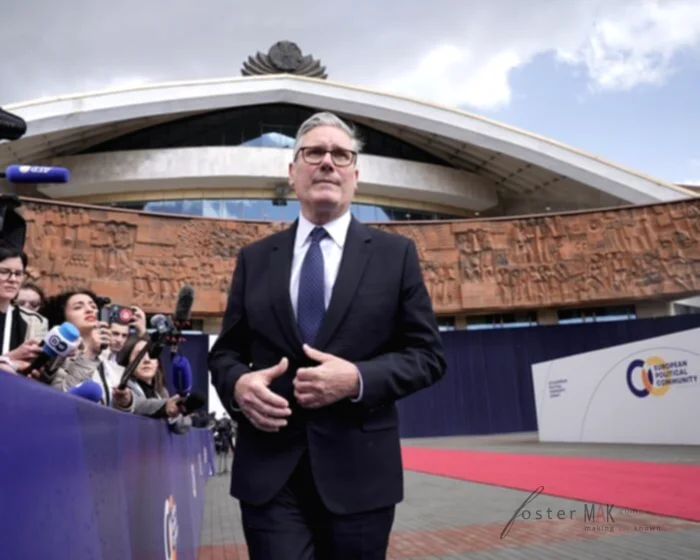
Keir Starmer, known for his diplomatic approach and emphasis on international cooperation, has sounded the alarm on the geopolitical challenges posed by a possible second term for Donald Trump. Speaking at a conference in London, Starmer urged European leaders to prepare for a more unpredictable and potentially confrontational U.S. foreign policy. He emphasized the need for a united European response to safeguard the continent’s interests on the global stage.
Starmer’s warning comes as Europe grapples with a host of issues, including economic recovery from the COVID-19 pandemic, the energy crisis exacerbated by the conflict in Ukraine, and the ongoing climate change challenges. The potential for renewed tensions with Donald Trump adds another layer of complexity to the already challenging landscape.
The Impact of Trump’s Previous Tenure
During Donald Trump’s presidency from 2016 to 2020, transatlantic relations experienced significant strain. His
America First
policy often clashed with European priorities, leading to disagreements on trade, defense spending, and climate change. Trump’s withdrawal from the Paris Agreement and his criticisms of NATO allies raised concerns about the future of long-standing alliances.
European leaders, including German Chancellor Angela Merkel and French President Emmanuel Macron, found themselves at odds with Trump on various issues. His administration’s unilateral approach to foreign policy left many European countries questioning the reliability of the United States as a partner. These experiences have left a lasting impression on Europe’s political landscape, with many leaders wary of a potential repeat.
Tensions with Donald Trump: The European Perspective
The prospect of renewed tensions with Donald Trump is a cause for concern among European policymakers. The possibility of a return to a more isolationist U.S. foreign policy could have far-reaching implications for Europe. Key issues such as trade, security, and climate change could once again become sources of friction between the two sides of the Atlantic.
European Union officials have already begun discussing contingency plans to address potential challenges. These include strengthening intra-European defense cooperation, diversifying trade partnerships, and increasing investment in renewable energy to reduce reliance on external sources. The goal is to bolster Europe’s resilience in the face of uncertainty.
Navigating a Potential Trump Presidency
European leaders are keenly aware of the need to navigate the complexities of a potential Trump presidency. Building on the lessons learned from his previous tenure, they are exploring ways to engage constructively while safeguarding their interests. This includes identifying areas of common ground where cooperation can be achieved, such as counterterrorism efforts and addressing global health challenges.
At the same time, European countries are considering the development of more robust mechanisms for conflict resolution and diplomatic engagement. The focus is on maintaining open channels of communication to prevent misunderstandings and manage disputes effectively. This proactive approach aims to mitigate the risks associated with potential policy shifts in Washington.
A Renewed Focus on European Unity
The specter of tensions with Donald Trump has underscored the importance of European unity. Leaders across the continent are emphasizing the need for a cohesive and coordinated response to external challenges. The European Union, in particular, is seen as a vital platform for collective action and strategic decision-making.
Recent initiatives, such as the EU’s Strategic Compass for Security and Defense, highlight the bloc’s commitment to enhancing its capabilities and readiness. By fostering greater unity and collaboration, European countries hope to present a united front in the face of external pressures. This approach is also aimed at reinforcing the EU’s position as a global actor capable of influencing international affairs.
The Role of Diplomacy in Addressing Tensions
Diplomacy will play a crucial role in managing tensions with Donald Trump, should he return to the presidency. European leaders are focusing on strengthening diplomatic ties not only with the United States but also with other global powers. By building alliances and fostering dialogue, Europe aims to create a more balanced and stable international order.
Efforts to enhance diplomatic engagement are also seen as a means of promoting multilateralism and addressing global challenges collectively. Europe’s commitment to international institutions and agreements remains strong, with a focus on promoting peace, security, and sustainable development worldwide. This diplomatic strategy is intended to counterbalance any potential disruptions in transatlantic relations.
Preparing for an Uncertain Future
As Europe faces the possibility of renewed tensions with Donald Trump, there is a growing recognition of the need to prepare for an uncertain future. This involves not only addressing immediate challenges but also looking ahead to longer-term strategies for resilience and adaptability.
European countries are investing in research and innovation, particularly in areas such as green technology and digital transformation. By fostering economic growth and technological advancement, Europe aims to enhance its global competitiveness and reduce vulnerabilities. This forward-looking approach is designed to position the continent as a leader in addressing global challenges and shaping the future.
Strategic Alliances Beyond the Atlantic
In light of potential tensions with Donald Trump, European countries are also exploring strategic alliances beyond the Atlantic. There is a renewed interest in strengthening ties with emerging economies and regional powers in Asia, Africa, and Latin America. These efforts are aimed at diversifying Europe’s partnerships and reducing dependency on traditional allies.
Engagement with international organizations such as the United Nations, the World Trade Organization, and regional forums is being prioritized. By participating actively in these platforms, Europe seeks to influence global governance and promote a rules-based international order. This strategy is intended to ensure that Europe’s voice is heard and its interests are protected on the global stage.
Public Opinion and Political Dynamics
Public opinion in Europe is also a significant factor in the discourse surrounding tensions with Donald Trump. Many Europeans remain wary of his policies and rhetoric, which have often been characterized as divisive and polarizing. This sentiment is reflected in political dynamics across the continent, where parties are aligning themselves based on their stance toward a potential Trump presidency.
In countries such as Germany, France, and the Netherlands, political leaders are taking into account the views of their constituents as they formulate their foreign policy strategies. Public sentiment is expected to play a crucial role in shaping the decisions and actions of European governments in the coming years.
Conclusion: A Complex and Evolving Landscape
The potential for renewed tensions with Donald Trump presents a complex and evolving landscape for Europe. As leaders grapple with the challenges and opportunities that lie ahead, the focus remains on safeguarding the continent’s interests and promoting international stability. Through diplomacy, unity, and strategic planning, Europe aims to navigate this uncertain terrain and emerge stronger on the global stage.