Austria expels diplomats over spy equipment discovery
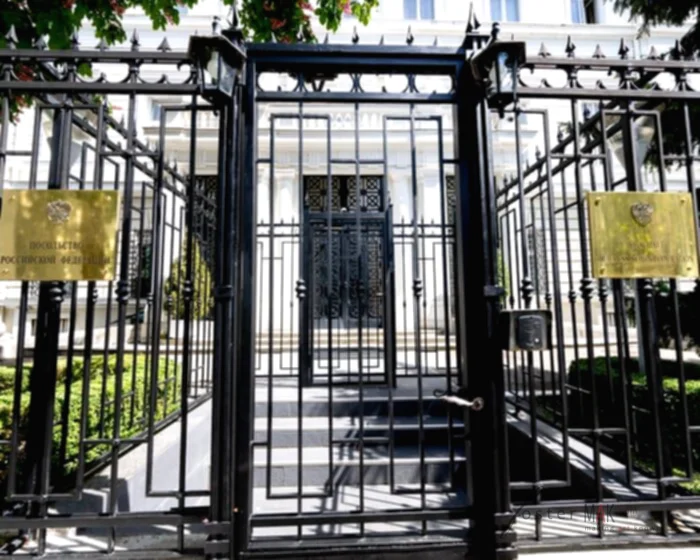
In a significant diplomatic upheaval, Austria has announced the expulsion of several Russian embassy staff members from Vienna. This decision follows the discovery of sophisticated spy equipment within the premises of the Russian embassy. The move underscores escalating tensions between Russia and European nations amid growing concerns over espionage activities. The Russian embassy staff expelled from Austria have been given a brief window to depart the country, marking a stark deterioration in bilateral relations.
Uncovering the Spy Network
The discovery that has led to the expulsion of these diplomats was made during a routine inspection by Austrian authorities. The inspection was part of a broader security initiative aimed at safeguarding national interests against foreign espionage. Experts involved in the investigation revealed that the equipment found was not only advanced but also strategically placed to capture sensitive information.
Technological experts who analyzed the equipment noted its capacity for long-range communication and data interception. The devices were reportedly hidden within furniture and everyday office equipment, making them difficult to detect during regular inspections. This revelation has raised alarms about the extent of espionage activities being conducted under diplomatic cover.
Official Response from Austria
In a press conference held in Vienna, Austria’s Minister of Foreign Affairs, Alexander Schallenberg, addressed the media regarding the situation. He stated that the expelled individuals were identified as engaging in activities inconsistent with their diplomatic status. This phrasing is diplomatic parlance often used to describe espionage. Schallenberg emphasized the importance of maintaining trust and transparency in international relations, stating that any breach of these principles would not be tolerated.
The Austrian government has conveyed its concerns to the Russian Federation, demanding an explanation for the presence of such equipment within its embassy. While the Russian government has yet to provide a detailed response, it has predictably condemned the expulsions, labeling them as unfounded and damaging to bilateral ties.
Russian Embassy Staff Expelled: Reactions and Implications
The expulsion of Russian embassy staff members has sent ripples across the diplomatic community in Austria and beyond. Political analysts suggest that this move could lead to reciprocal actions from Russia, potentially resulting in a tit-for-tat expulsion of Austrian diplomats from Moscow. Such actions could further strain relations not only between Austria and Russia but also within the broader European context, where similar espionage concerns have been voiced by other nations.
The European Union has expressed its support for Austria’s decision, highlighting the importance of protecting member states from foreign interference. EU officials have called for a united front against espionage, urging member countries to increase vigilance and share intelligence on potential threats. This incident adds to a growing list of espionage-related controversies involving Russian diplomats in Europe.
International Community’s Perspective
Countries around the world are closely monitoring the developments in Austria. The United States, which has its own history of diplomatic tensions with Russia, has backed Austria’s actions, calling for greater international cooperation to combat espionage. A spokesperson for the U.S. Department of State applauded Austria’s proactive measures and reiterated the importance of safeguarding democratic institutions.
In contrast, Russia’s allies have criticized Austria’s decision, viewing it as part of a broader anti-Russian sentiment propagated by Western nations. They argue that such expulsions exacerbate existing tensions and hinder diplomatic dialogue. Despite these criticisms, Austria remains firm in its stance, prioritizing national security over diplomatic niceties.
The Broader Context of Russian Espionage
The expulsion of Russian embassy staff in Austria is not an isolated incident. Over the past few years, several European countries have reported similar discoveries of espionage activities linked to Russian diplomats. These incidents have ranged from cyber-attacks on government institutions to attempts at influencing political processes in host countries.
In response to these challenges, Europe has been gradually tightening its security protocols. Intelligence-sharing among EU nations has increased, and there is a growing emphasis on cybersecurity and counterintelligence measures. Austria’s recent actions are seen as a part of this broader effort to curb foreign espionage on European soil.
Russian Embassy Staff Expelled: A Historical Perspective
Historically, diplomatic expulsions have been a tool used to express disapproval and protect national interests. During the Cold War, such incidents were frequent as the East and West engaged in a game of intelligence gathering and counterintelligence. The expulsion of Russian embassy staff from Austria harks back to this era, reminding the international community that the shadow world of espionage remains an enduring aspect of global politics.
Experts in international relations suggest that while diplomacy is the preferred method of conflict resolution, the reality of espionage often complicates these efforts. The current situation in Austria exemplifies the delicate balance countries must maintain between upholding diplomatic relations and ensuring national security.
Potential Ramifications for Austria-Russia Relations
The recent expulsions may usher in a period of diplomatic chill between Austria and Russia. While economic ties between the two countries have been robust, particularly in energy, the current tensions could impact future collaborations. Austria has historically maintained a neutral stance in international politics, often acting as a bridge between East and West. However, its firm action against the Russian embassy staff indicates a shift towards prioritizing security over neutrality.
In the months to come, analysts will be watching closely to see if both nations can find a resolution to this diplomatic rift. The potential for dialogue remains, but much will depend on Russia’s response and willingness to address the concerns raised by Austria. As the situation unfolds, the expulsion of Russian embassy staff serves as a reminder of the complex interplay between diplomacy and espionage in contemporary geopolitics.