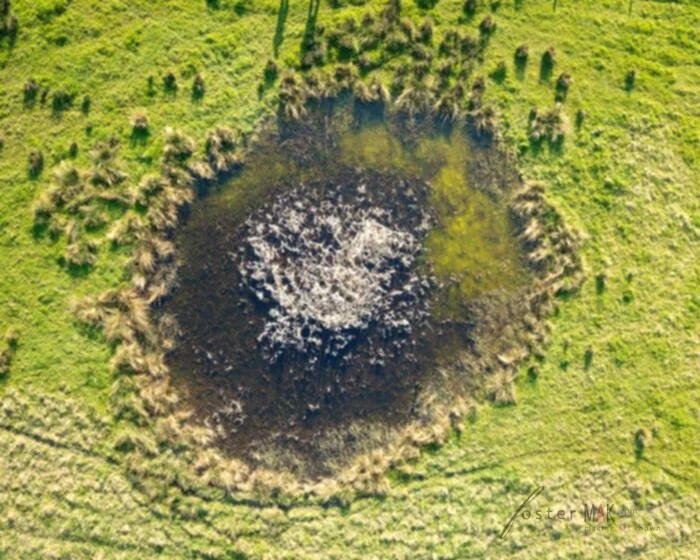
Discover How Nature Thrives in Bomb Craters Across History
In the aftermath of war, landscapes scarred by conflict may appear desolate and lifeless. Yet, through the passage of time, a remarkable transformation often occurs. Nature thrives in bomb craters as ecosystems develop in these unlikely habitats. This phenomenon has been observed across various historical events, providing insights into the resilience of nature and the surprising benefits of these man-made depressions.
The Unexpected Oasis: A Glimpse into Bomb Craters
When bombs drop, they leave behind craters that initially seem inhospitable. However, these craters soon become unique microhabitats. The depth and shape of the craters create varied environmental conditions, such as differences in sunlight exposure, moisture retention, and soil composition. These variations offer new opportunities for life to take root and flourish.
Bomb craters, often filled with rainwater, can transform into temporary ponds or wetlands, attracting a range of aquatic plants and animals. Over time, as sediment accumulates and plants stabilize the soil, these craters can evolve into permanent water bodies. This transformation from barren to thriving ecosystems highlights the adaptability of nature in the face of human-induced destruction.
Historical Examples: Witnessing Nature’s Resilience
Throughout history, areas affected by bombing during conflicts have demonstrated nature’s incredible ability to recover. During World War I, the battlefields of northern France and Belgium were heavily bombarded, leaving behind numerous craters. Today, many of these craters are filled with water, serving as habitats for a variety of flora and fauna. In some cases, these craters have become important conservation sites, preserving rare species that have found a refuge in these isolated environments.
The Vietnam War also left a significant mark on the landscape. The extensive bombing campaigns created millions of craters across the region. In the decades following the war, these craters have become vital habitats for aquatic life and serve as breeding grounds for fish and amphibians. The craters have also become critical for local agriculture, providing water for rice paddies and other crops.
Nature Thrives in Bomb Craters: A Closer Look
The notion that nature thrives in bomb craters can be illustrated by examining the biodiversity found within these unique ecosystems. Researchers have documented a diverse array of species inhabiting bomb craters, from insects and amphibians to birds and mammals. The craters offer a sanctuary for species that might otherwise struggle to survive in the altered landscapes of post-war regions.
The plants that colonize bomb craters are often pioneers, capable of establishing themselves in challenging conditions. These species play a crucial role in stabilizing the soil and creating a more hospitable environment for other plants and animals. Over time, the accumulation of organic matter and the development of soil structure support the growth of more complex plant communities.
Ecological Benefits: More Than Just a Refuge
Beyond serving as habitats, bomb craters provide additional ecological benefits. The water retention capabilities of craters can reduce the risk of flooding in surrounding areas, acting as natural water reservoirs. In regions where water is scarce, these craters can offer a dependable source for both wildlife and human use.
Furthermore, the presence of bomb craters can enhance biodiversity in a region by creating a mosaic of different habitats. This diversity of environments can support a wider range of species than a more uniform landscape. The craters also play a role in carbon sequestration, as the vegetation that grows within them absorbs carbon dioxide from the atmosphere.
Conservation and Management: Turning Scars into Sanctuaries
Recognizing the ecological value of bomb craters, conservationists and land managers are increasingly focused on protecting and managing these unique landscapes. Efforts to preserve bomb craters often involve preventing further disturbance and promoting natural regeneration processes. In some cases, active restoration projects are undertaken to enhance the ecological function of these sites.
Educational initiatives aim to raise awareness about the importance of bomb craters as habitats and to promote their conservation. By understanding the value of these craters, communities can appreciate the potential for healing and renewal in post-conflict landscapes.
Nature Thrives in Bomb Craters: Lessons from the Past
The phenomenon where nature thrives in bomb craters offers valuable lessons about resilience and adaptation. It serves as a reminder that even in the face of destruction, life finds a way to endure and flourish. This resilience is not only an inspiration but also a call to action for better stewardship of our natural resources.
The stories of regeneration and recovery provide hope for the future, demonstrating that while human conflicts can leave lasting scars on the landscape, nature possesses an incredible capacity for healing. As we continue to learn from the past, the importance of preserving and nurturing these unexpected oases becomes increasingly clear.