Why the Bezos-backed Met Gala Sparks Heated Controversy and Debat
The annual Met Gala has always been a high-profile event, attracting A-list celebrities, designers, and cultural icons. However, this year’s event has drawn significant attention for a different reason altogether. The Bezos-backed Met Gala controversy is stirring debates across various platforms, raising questions about exclusivity, the influence of wealth in cultural events, and the social responsibilities of the rich and famous.
The Met Gala: A Brief Overview
The Met Gala, formally known as the Costume Institute Gala, is a fundraising event for the Metropolitan Museum of Art’s Costume Institute in New York City. It marks the opening of the Costume Institute’s annual fashion exhibit. Traditionally held on the first Monday of May, the event is overseen by Vogue’s editor-in-chief, Anna Wintour, and features a theme that sets the tone for the evening’s attire.
The gala is renowned for its exclusivity. Tickets are priced at tens of thousands of dollars, and attendance is by invitation only. This combination of high fashion and high stakes makes it one of the most anticipated events on the social calendar. However, this year, it has become the center of a broader controversy, primarily because of Amazon founder Jeff Bezos’s involvement.
Jeff Bezos’s Involvement: The Catalyst for Controversy
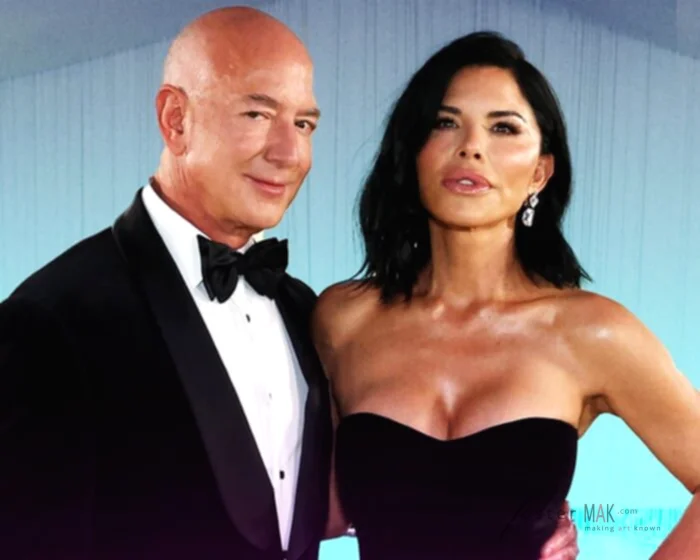
Jeff Bezos, the founder of Amazon and one of the world’s wealthiest individuals, has been a significant patron of the arts and other philanthropic ventures. His involvement in the Met Gala as a key sponsor has sparked a wave of criticism and debate. Critics argue that his association with the event highlights issues surrounding wealth concentration and the influence of money in cultural spaces.
Bezos’s financial support for the gala has raised eyebrows, particularly in light of Amazon’s reputation and some of its controversial business practices. Workers’ rights activists and critics of corporate ethics have seized this opportunity to question whether Bezos’s involvement undermines the cultural and artistic values the Met Gala purports to celebrate.
Public Reaction and Criticism
The public’s reaction to the Bezos-backed Met Gala controversy has been divided. On one hand, some attendees and celebrities have defended Bezos’s involvement, citing his significant contributions to various philanthropic causes. They argue that his financial backing helps sustain the arts and cultural institutions that might otherwise struggle to survive.
On the other hand, there is a growing chorus of dissent. Critics are concerned about the increasing commercialization of cultural events like the Met Gala. They argue that the involvement of billionaires such as Bezos detracts from the artistic and cultural significance of the event, turning it into a spectacle of wealth and opulence rather than a celebration of fashion and creativity.
The Issue of Exclusivity
One of the most contentious aspects of the Bezos-backed Met Gala controversy is the issue of exclusivity. The Met Gala has always been an exclusive event, but Bezos’s involvement has intensified discussions about who gets to participate in cultural events and why. Critics argue that the gala’s exclusivity reflects broader societal inequalities, where access to culture and the arts is increasingly determined by wealth.
The event’s high ticket prices and invitation-only policy have long been a point of contention. However, Bezos’s sponsorship has brought these issues to the forefront of public discourse. Many argue that cultural events should be more inclusive and accessible to a broader audience, rather than being dominated by the elite few.
Impact on the Fashion Industry
The Bezos-backed Met Gala controversy also has implications for the fashion industry. The Met Gala is a critical platform for designers to showcase their work to a global audience. However, the criticism surrounding Bezos’s involvement has led to a re-examination of the industry’s relationship with wealth and power.
Some fashion insiders worry that the controversy could overshadow the artistry and creativity that the gala is meant to celebrate. They fear that the focus on wealth and sponsorship may detract from the designers’ work and the innovative fashion statements that the event is known for.
Social Responsibility and Philanthropy
The controversy has sparked broader conversations about the social responsibilities of the wealthy and the role of philanthropy in society. Bezos’s financial backing of the Met Gala highlights the potential for billionaires to shape cultural events according to their interests. This raises questions about whether such influence is appropriate and what responsibilities individuals like Bezos have when they engage in philanthropic activities.
Critics argue that philanthropy should not be used as a tool for reputation management or as a means to gain influence in cultural spaces. Instead, they advocate for a more equitable approach to funding the arts, where diverse voices and perspectives are prioritized over the interests of the wealthy few.
Reflections on Cultural Identity
The Bezos-backed Met Gala controversy has prompted reflections on cultural identity and the role of fashion as a cultural expression. The gala is more than just a glamorous event; it is a reflection of cultural trends and social dynamics. The controversy has challenged the fashion industry and event organizers to consider how they can balance the influences of wealth and power with the need to celebrate diverse cultural identities.
The debate surrounding Bezos’s involvement underscores the importance of inclusivity and representation in cultural events. It calls on the fashion industry to reflect on its practices and consider how it can promote diversity and inclusivity while still celebrating creativity and innovation.
Moving Forward: What Lies Ahead
While the Bezos-backed Met Gala controversy has sparked heated debates, it also presents an opportunity for reflection and change. As the conversation continues, event organizers, fashion designers, and cultural institutions are being urged to consider how they can address these criticisms and foster a more inclusive and equitable cultural landscape.
The controversy has highlighted the need for transparency and accountability in how cultural events are funded and organized. It has also underscored the importance of ensuring that cultural spaces remain accessible to a diverse range of voices and perspectives.
In conclusion, the Bezos-backed Met Gala controversy serves as a reminder of the complex interplay between wealth, culture, and society. As the conversation evolves, it will be crucial for all stakeholders to engage in meaningful dialogue and work towards creating a more inclusive and equitable cultural landscape.