
Democrats Link Clean Energy to Affordability Amid Crisis
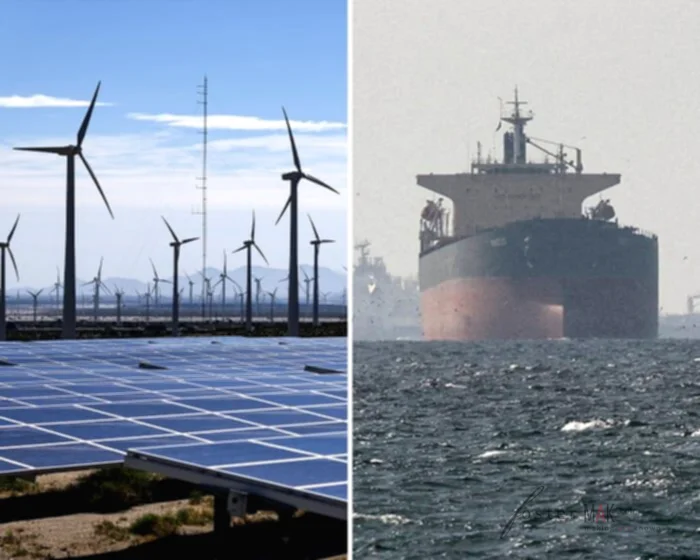
In the face of escalating energy prices and mounting economic pressures, Democrats are now vigorously advocating for a shift from traditional energy sources to renewable options, emphasizing clean energy to affordability as a pivotal solution. This initiative, they argue, will not only address environmental concerns but also bring much-needed financial relief to American households currently grappling with the high costs of living. As political and public discourse intensifies, the interplay between clean energy policies and economic affordability is becoming increasingly significant.
Democrats Rally Behind Green Initiatives
The Democratic Party has long championed environmental sustainability, but recent economic challenges have amplified their call for an expedited transition to renewable energy sources. Key political figures, including President Joe Biden, have underscored the dual benefits of clean energy: reducing carbon emissions and lowering energy costs for consumers. The strategy is clear—by investing in solar, wind, and other renewable energy technologies, the Democrats aim to create a more sustainable and economically viable energy landscape.
In recent speeches and public appearances, Democratic leaders have pointed to clean energy projects as a means to stimulate job growth and economic development. The proposed Clean Energy Standard, which aims to achieve 100 percent carbon-free electricity by 2035, is a cornerstone of the party’s legislative agenda. Through this policy, Democrats hope to not only mitigate climate change but also drive down energy prices by fostering competition and innovation within the energy sector.
Clean Energy to Affordability as a Policy Focus
The connection between clean energy to affordability is becoming a central theme in Democratic policy discussions. By reducing reliance on fossil fuels, which are subject to volatile market prices and geopolitical tensions, the party argues that renewable energy sources can provide a more stable and predictable cost structure for consumers. This stability, in turn, has the potential to lower utility bills and contribute to overall economic resilience.
Democratic lawmakers are also advocating for targeted financial incentives to ease the transition for both businesses and consumers. Tax credits for renewable energy installations, subsidies for electric vehicles, and investments in energy-efficient infrastructure are among the measures being proposed. These initiatives aim to make clean energy options more accessible and affordable, particularly for low-income households that are disproportionately affected by rising energy costs.
Public Support and Opposition
Public opinion on the transition from traditional to renewable energy sources is mixed, reflecting broader societal divisions on climate change and economic policy. However, recent polls suggest a growing acceptance of the importance of clean energy initiatives, particularly among younger demographics who are more attuned to environmental issues. Many Americans recognize the potential long-term benefits of a sustainable energy system, even if the initial costs of transition present short-term challenges.
Opponents of the Democrats’ clean energy agenda, primarily from the Republican Party and the fossil fuel industry, argue that the transition could lead to job losses in traditional energy sectors and increased energy costs in the short term. They contend that the focus should be on improving existing fossil fuel technologies and infrastructure to make them cleaner and more efficient, rather than abandoning them entirely.
Economic Implications and Job Creation
The economic implications of linking clean energy to affordability are profound, with potential ripple effects across various sectors. Advocates argue that the transition to renewable energy could spur significant job creation, particularly in manufacturing, installation, and maintenance of renewable energy technologies. The International Renewable Energy Agency estimates that the renewable energy sector could generate millions of jobs globally by 2030, many of which could be in the United States.
Investment in clean energy infrastructure is also expected to drive innovation and technological advancements, further enhancing the competitiveness of the American economy. As companies develop new technologies to harness renewable energy more efficiently, the cost of production is likely to decrease, making clean energy even more affordable for consumers.
Challenges Ahead
Despite the optimism surrounding clean energy initiatives, significant challenges remain. The upfront costs of transitioning to renewable energy sources can be prohibitive for many businesses and consumers, particularly in the absence of robust government incentives and support. Additionally, the existing energy grid in the United States requires substantial upgrades to accommodate the increased use of renewable energy, a task that will require time, investment, and political will.
Infrastructure development is another hurdle. Building the necessary infrastructure to support widespread adoption of renewable energy, such as charging stations for electric vehicles and large-scale solar farms, involves complex logistical and regulatory challenges. Overcoming these obstacles will require collaboration between federal, state, and local governments, as well as private sector investment.
Clean Energy to Affordability at the State Level
Several states are already leading the charge in demonstrating the feasibility of linking clean energy to affordability. California, New York, and Massachusetts have implemented ambitious clean energy policies that serve as models for the rest of the nation. These states have invested heavily in renewable energy projects and have seen substantial reductions in carbon emissions as well as economic benefits in the form of job creation and reduced energy costs.
State-level initiatives often include partnerships with private companies and academic institutions to drive innovation and research in renewable technologies. By fostering these collaborations, states are able to leverage additional resources and expertise, accelerating the transition to a clean energy economy.
Looking to the Future
As the debate over clean energy to affordability continues to evolve, it is clear that the path forward will require careful planning, strategic investment, and broad-based support from both the public and private sectors. The potential rewards of a successful transition are significant, offering the promise of a more sustainable and economically viable energy future.
In the coming months, the focus will be on how Democrats can effectively implement their clean energy agenda while addressing the legitimate concerns of those who fear economic disruption. The outcome of this effort will have far-reaching implications for the U.S. economy, the environment, and the global fight against climate change.