US Seizes Iranian-flagged Ship Amid Hormuz Tensions
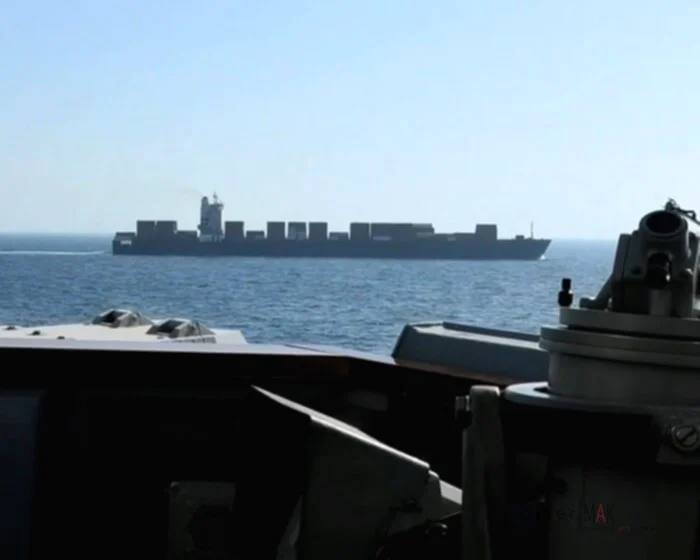
In a significant escalation of maritime tensions in the strategically crucial Strait of Hormuz, the United States seized an Iranian-flagged ship, intensifying the ongoing geopolitical strife in the region. The Iranian-flagged ship seized by the US Navy on Tuesday has heightened fears of retaliatory actions and further disruptions in a waterway that is vital for global oil transportation. The incident is the latest in a series of maritime confrontations that have marked the strained relations between Iran and the United States over recent years.
Details of the Seizure
The seizure of the Iranian-flagged ship took place in international waters, according to a statement released by the US Navy. The vessel was intercepted by the US Fifth Fleet, which operates in the area, as it was suspected of carrying materials that violated international sanctions imposed on Iran. The ship, named the MV Al-Mukhtar, was reportedly on a route that has been frequently used for transporting sanctioned commodities such as oil and industrial equipment.
The US Navy has stated that the ship’s crew members are being treated in accordance with international maritime law and will be handed over to appropriate authorities for further investigation. The seizure underscores the heightened level of naval enforcement that the US has maintained in the region to ensure compliance with sanctions aimed at curbing Iran’s nuclear ambitions.
Regional Reaction to the Seizure
The reaction from Tehran was swift and unequivocal. The Iranian Foreign Ministry condemned the action as an act of piracy and a violation of international law. Iran’s top diplomat has called for the immediate release of the ship and its crew, warning that Iran will not hesitate to protect its maritime rights. The ministry also summoned the Swiss ambassador, who represents US interests in Tehran, to voice its protest.
In addition to governmental reactions, the seizure has sparked widespread anger among the Iranian public. State media outlets have been broadcasting continuous coverage of the incident, framing it as yet another instance of US aggression against Iran. The Iranian Revolutionary Guard Corps has also issued a statement, pledging to safeguard Iranian vessels and warning of severe repercussions should the situation not be resolved promptly.
Strategic Importance of the Strait of Hormuz
The Strait of Hormuz is a vital artery for the global oil supply, with approximately one-fifth of the world’s oil passing through its narrow waters. It connects the oil-rich Persian Gulf with the Gulf of Oman and the Arabian Sea, making it a critical shipping lane for energy exports from the Middle East. The region has historically been a flashpoint for geopolitical tensions, with Iran frequently threatening to close the strait in retaliation for US sanctions and military actions.
Control over this maritime chokepoint has long been a strategic priority for regional and international powers. The US maintains a significant naval presence in the area, with the Fifth Fleet headquartered in Bahrain, to ensure the free flow of commerce and to counteract any potential threats from Iran. This latest incident underscores the fragile nature of security in the Strait of Hormuz and the potential for disruptions that could have far-reaching economic implications.
Iranian-flagged Ship Seized: Implications for US-Iran Relations
The Iranian-flagged ship seized by the US Navy represents another flashpoint in the already strained relations between Washington and Tehran. The two nations have been at loggerheads over a host of issues, including Iran’s nuclear program, its ballistic missile development, and its support for proxy groups across the Middle East. The US has imposed a series of sanctions aimed at crippling Iran’s economy and pressuring it to return to the negotiating table, while Iran has responded with defiance and a vow to continue its nuclear activities.
The seizure of the MV Al-Mukhtar is likely to complicate any diplomatic efforts to resolve these longstanding issues. While the Biden administration has expressed a willingness to engage in negotiations with Iran, incidents such as this could strengthen hardline positions within the Iranian government, reducing the prospects for meaningful dialogue. Additionally, the seizure may embolden Iranian naval forces to adopt more aggressive postures, potentially leading to further confrontations in the Strait of Hormuz.
Iranian-flagged Ship Seized: A Catalyst for Regional Instability?
The incident involving the Iranian-flagged ship seized by the US has raised concerns about potential regional instability. Neighboring countries, including Saudi Arabia and the United Arab Emirates, have expressed support for the US action, viewing it as a necessary measure to uphold international sanctions and maintain security in the region. However, there is also apprehension about the potential for escalation and the impact this could have on their own shipping activities.
The international community has called for restraint and dialogue to de-escalate the situation. The United Nations has urged both parties to exercise caution and to engage in negotiations to prevent any further deterioration of the security environment in the Gulf. The European Union has also emphasized the importance of maintaining open communication channels to address the root causes of the tensions, particularly with respect to Iran’s nuclear ambitions and the broader regional security architecture.
Overall, the seizure of the Iranian-flagged ship by the US Navy is a stark reminder of the volatile nature of maritime security in the Strait of Hormuz. As the situation develops, it will be crucial for all parties involved to navigate the complex web of geopolitical interests with caution and diplomacy to avoid triggering a broader conflict.