
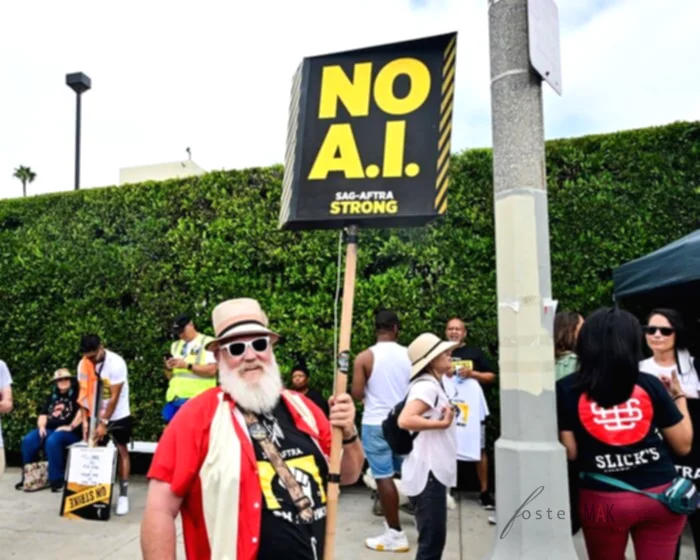
US Workers Favor Union-Backed AI Policies, Study Reveals
In a rapidly evolving technological landscape, the intersection of artificial intelligence (AI) and labor rights has become a focal point for policy discussions. A recent study has brought to light that a significant portion of the American workforce supports Union-Backed Policies on AI, emphasizing the critical role these organizations play in shaping the future of work. As AI technologies continue to integrate into various sectors, concerns about job displacement, privacy, and fairness have prompted workers to seek the protective measures that unions can offer.
Growing Concerns Over AI Integration in the Workplace
The advent of AI in the workplace has been met with a mixture of optimism and apprehension. While AI promises increased efficiency and productivity, it also raises concerns about job security and ethical implications. Workers across the United States are increasingly aware of the potential for AI to replace human labor, leading to widespread anxiety about future employment prospects. This sentiment is particularly prevalent in industries where automation is rapidly advancing, such as manufacturing, retail, and logistics.
The study, conducted by a leading research institution, surveyed a diverse cross-section of workers from various sectors. It revealed that 68% of respondents believe AI will significantly impact their jobs within the next decade. Moreover, 74% expressed concerns about the lack of regulations governing AI implementation, highlighting a growing demand for protective measures.
The Role of Unions in AI Policy Development
With the rise of AI technologies, unions are positioning themselves as critical advocates for workers’ rights. Union-Backed Policies on AI are seen as essential tools to ensure that technology serves the workforce rather than displacing it. These policies aim to establish guidelines for ethical AI use, protect jobs, and ensure fair wages and working conditions in an increasingly automated world.
Unions have a long history of negotiating on behalf of workers, and their involvement in AI policy development is a natural extension of their advocacy. By collaborating with policymakers, unions strive to create frameworks that balance technological advancement with workers’ rights. This includes advocating for transparency in AI decision-making processes, ensuring data privacy, and securing retraining opportunities for displaced workers.
Union-Backed Policies on AI Gain Traction
Support for Union-Backed Policies on AI is gaining momentum among workers and policymakers alike. The study indicates that 62% of respondents believe unions are best positioned to negotiate AI-related issues on their behalf. This growing confidence in unions stems from their ability to leverage collective bargaining power to address complex challenges posed by AI integration.
One of the key elements of Union-Backed Policies on AI is the establishment of clear guidelines for AI implementation. This includes defining the scope of AI use in the workplace, setting limits on data collection, and ensuring that AI systems are free from bias. Unions are also advocating for oversight mechanisms to monitor AI’s impact on job security and working conditions.
Case Studies: Successful Union Initiatives
Several unions have already taken proactive steps to address AI-related concerns, setting examples for others to follow. In the automotive industry, unions have successfully negotiated agreements that prioritize job retention and retraining programs for workers affected by automation. These agreements emphasize the importance of collaboration between employers and unions to navigate the challenges of AI integration.
In another example, a major retail union has implemented a policy requiring transparency in AI-driven scheduling systems. This policy ensures that workers have access to information about how their schedules are determined and provides avenues for addressing potential grievances. Such initiatives demonstrate the tangible benefits of Union-Backed Policies on AI in protecting workers’ interests.
The Path Forward: Challenges and Opportunities
While the support for Union-Backed Policies on AI continues to grow, there are challenges to overcome in their implementation. One of the primary hurdles is ensuring that these policies are adaptable to the rapid pace of technological change. As AI technologies evolve, policies must be flexible enough to address new challenges while remaining rooted in the core principles of protecting workers’ rights.
Another challenge lies in fostering collaboration between unions, employers, and policymakers. Building consensus among these stakeholders is crucial for developing comprehensive AI policies that benefit all parties involved. Despite these challenges, there are significant opportunities for innovation and progress in crafting policies that harness the potential of AI while safeguarding workers’ interests.
Legislative Support and Public Opinion
The push for Union-Backed Policies on AI is gaining traction not only among workers but also within legislative circles. Lawmakers are increasingly recognizing the need for regulatory frameworks that address the ethical and social implications of AI. Several states have introduced bills aimed at protecting workers’ rights in the face of technological advancement, signaling a growing alignment between union advocacy and legislative action.
Public opinion also plays a crucial role in shaping AI policies. The study reveals that a majority of the American public supports measures that ensure transparency, fairness, and accountability in AI implementation. This public sentiment provides a strong foundation for unions and policymakers to push for meaningful changes in AI governance.
Union-Backed Policies on AI: A Model for the Future
Union-Backed Policies on AI have the potential to serve as a model for addressing the broader challenges posed by technological advancements. By emphasizing ethical considerations and worker protections, these policies can guide industries in responsibly integrating AI into their operations. As unions continue to advocate for equitable AI policies, they contribute to a future where technology enhances rather than undermines workers’ livelihoods.
The ongoing dialogue between unions, workers, and policymakers is crucial for shaping a future where AI technologies are harnessed for the benefit of all. As the landscape of work continues to evolve, Union-Backed Policies on AI offer a beacon of hope for workers seeking to navigate the complexities of a technology-driven world.